Drivers for a Resilient and Secure Energy Transition
Drivers for a Resilient and Secure Energy Transition
Date: Monday 16 March 2026
Time: 09:00–16:00 CET, followed by dinner
Objectives: To critically examine how geopolitical tensions and supply chain vulnerabilities intersect with the energy transition, and to co-create new interdisciplinary knowledge on how to build resilient, secure, and future-proof energy systems.
The energy transition is unfolding amid rising geopolitical and technological pressures. As governments move to strengthen supply security and economic resilience, short-term concerns over security and affordability risk overshadowing long-term climate objectives.
Energy remains the backbone of modern societies — powering transport, communication, food production, defence, and digital infrastructure. Globalisation, digitalisation, and competition for critical raw materials have created new interdependencies across continents. Initiatives such as the EU’s Preparedness Union Strategy illustrate a growing recognition that resilience must be embedded throughout the entire energy system.
Historically, reliable and affordable energy has supported economic growth. Today, the shift towards low-emission systems must take place in a far more complex environment. Artificial intelligence and digitalisation have the potential to raise productivity and create value in less energy-intensive ways, yet they also bring new risks: fast-growing data centres and digital infrastructure may sharply increase electricity demand while the world works to decarbonise.
This high-level workshop explores how Europe and global partners can strengthen energy resilience and sustain economic growth amid geopolitical turbulence. Discussions will address the evolving global threat picture; decentralised systems and lessons from Ukraine; AI as both a vulnerability and an enabler; and the security implications of critical-material and technology supply chains. We emphasise the synergies across topics, including AI, supply chains, and system flexibility.
Participants will work toward identifying no-regret resilience strategies that enhance preparedness, reinforce cross-border cooperation, and support the twin imperatives of emission reduction and affordability. Topics will draw from recent EU and Norwegian reports on energy security and resilience, with potential input from the Norwegian Defence Research Institute.
Preliminary programme
| 09:00 |
Welcome and opening words by Director Asgeir Tomasgard, NTNU Energy |
| 09:15 |
Framing Session: Threats & Resilience
|
| 10:15 | Break Coffee/tea and informal discussions. |
| 10:45 | Session I: AI, infrastructure, security and efficiency – challenges and opportunities
Presentations, interventions and round-table discussions. |
| 12:15 | Lunch Informal networking. |
| 13:00 | Session II: Robust Integrated Systems
Presentations, interventions and round-table discussions. |
| 14:30 | Break Coffee/tea and informal discussions. |
| 15:00 | Session III: No-Regret Solutions — Messages and Actions Framing presentations: identifying “no-regret” resilience strategies. Round-table discussion: key messages, actions, and recommendations for policymakers and stakeholders. |
| 16:00 | Closing remarks |
Practical information:
Monday 16 March: 9:00 - 16:00
-
Moderated presentations and discussion
-
Modified Chatham Rules
-
Location: Rådsalen, NTNU main building
-
For invited participants
-
Contact: Astrid Sørensen
-
Organisers:
Asgeir Tomasgard (NTNU), et. al.
Session Chairs:
- Jim Watson, Prof. at UCL
- Magnus Korpås, Prof. at NTNU
- Franziska Holz, Prof. at DIW Berlin and NTNU
- Volker Krey, Prof. at IIASA
Speakers:
- Surabi Menon, VP Global intelligence at ClimateWorks
- Michael Bradshaw, Prof. at University of Warwick, UK, and author of ‘The Geopolitics of Energy System Transformation’
- Anne Wahlstrøm, Senior consultant cyber security at DNV
- Stig-Rune Sellevåg, Chief researcher at Norwegian Defence Research Establishment – FFI
- Sebastien Gros, Prof. at NTNU and Head of aiD
- Harald Wesenberg, Specialist IT at Equinor
- Torbjørn Strømstad, CEO Tydal Næringsselskap, NO
- Aidan O’Sullivan, Ass. prof. in energy and AI at UCL
- Alexander Fjeldly, Programme director energy systems at DNV
- Inge Kampenes, CEO Naoris Consulting NOR
- Ingeborg Ligaarden, Head of data science and board member Statnett SF
- Tania Wallis, Risk & engagement expert at National Energy System Operator – NESO, UK
- Irina Oleinikova, Prof. at NTNU
- Hans Auer, Prof. at TU Wien and NTNU
- Anna Wieczorek, Prof. at TU Eindhoven and NTNU
- Bernt Granås, CEO Fenix Repower
- Marit Fostervold, CEO Nettselskapet, NO
- Nils A. Røkke, EVP Sustainability at SINTEF
- Asgeir Tomasgard, Director NTNU Energy
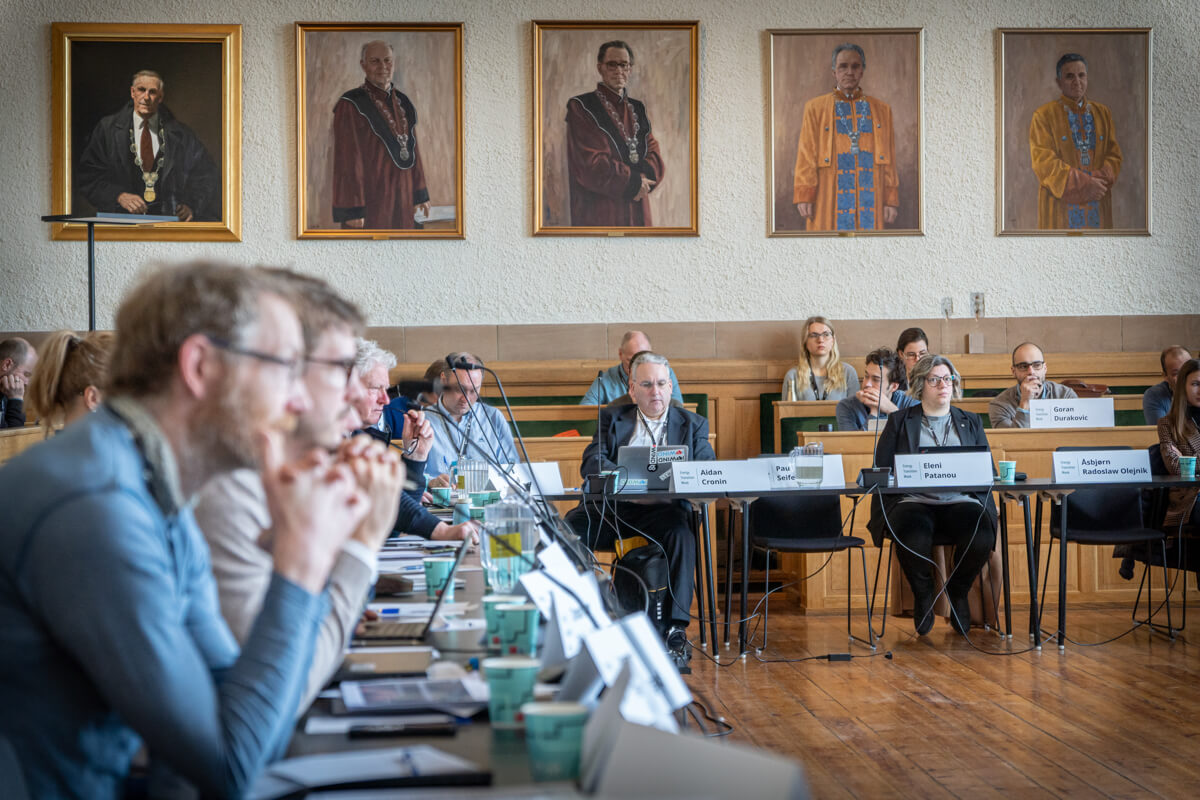
Rådsalen
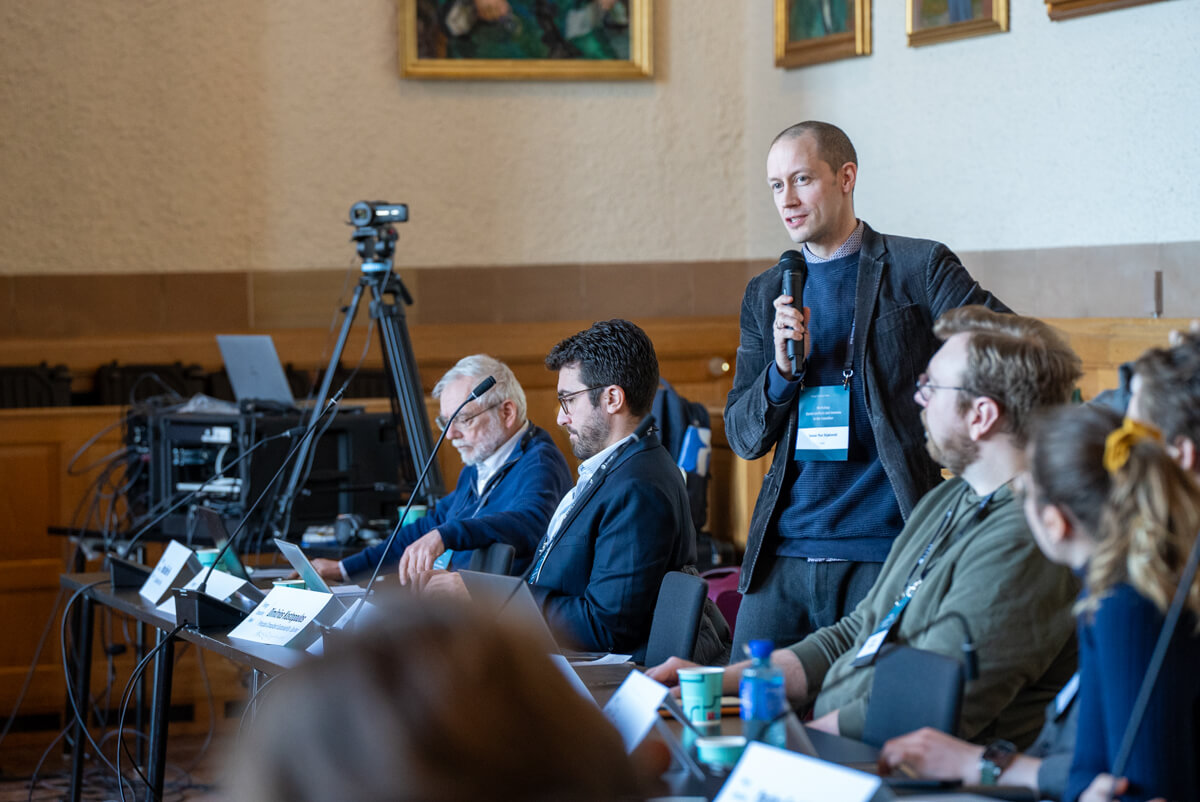
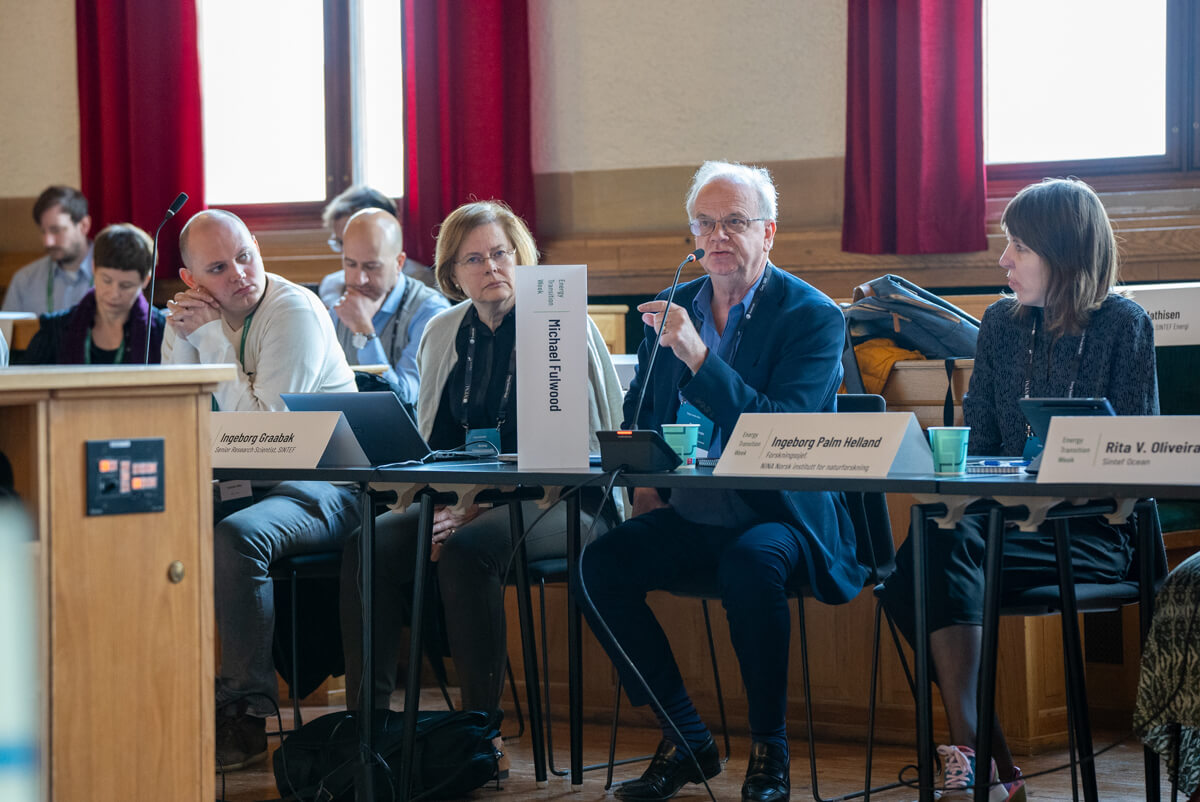
Photos from previous workshops at Rådsalen: