Maintaining Momentum in the Energy Transition
Maintaining Momentum in the Energy Transition — Co-Benefits between Climate, Affordability, and Security
Date: Tuesday 17 March 2026
Time: 09:00–16:00 CET, followed by dinner
Objectives: To explore how climate and security priorities intersect in shaping the economics and investability of the energy transition, and to identify strategies that balance resilience, affordability, and technological innovation in a world of growing geopolitical and financial uncertainty as well as defence–infrastructure–energy interconnections.
Maintaining the pace of the energy transition now depends as much on security as on climate or market forces. Rising geopolitical instability, new hybrid threats, and expanding defence commitments are redefining national priorities and investment choices. Security has become both a constraint and a potential enabler: military readiness, industrial resilience, and the energy transition increasingly draw on the same resources, technologies, and supply chains.
At the same time, fiscal pressure, volatile energy prices, and diverging climate policies are reshaping global finance and trade. Emerging economies continue to seek affordable and reliable energy growth, altering markets for technology, capital, and critical materials. In this environment, investors must balance returns against exposure to geopolitical, technological, and regulatory risk.
This workshop explores how to sustain global and regional momentum toward decarbonisation while integrating security as a core element of transition strategy. Discussions will focus on flexible systems, financing mechanisms, risk-sharing tools, and business models that attract capital in uncertain conditions; on how innovation and industrial policy can deliver resilience by design; and on how defence and transition spending can reinforce one another. By linking climate ambition with economic competitiveness and security imperatives, the workshop aims to define credible, cooperative pathways to maintain momentum — turning resilience into a source of strategic stability and growth.
Preliminary programme
| 09:00 | Welcome and opening words by Asgeir Tomasgard, Director NTNU Energy |
| 09:15 |
Framing Session — Unlocking the Co-Benefits between National Security and Transition Investments
|
| 10:15 | Break Coffee/tea and informal discussions. |
| 10:45 | Session I: Transition Technologies and Solutions – Resilience by Design
|
| 12:15 | Lunch Informal networking. |
| 13:00 | Session II: Finance, Investments & Economics
|
| 14:30 | Break Coffee/tea and informal discussions. |
| 15:00 | Session III: Maintaining Momentum – Key Take-Aways
|
| 16:00 | Closing remarks |
Practical information:
Tuesday 17 March: 9:00 - 16:00
-
Moderated presentations and discussion
-
Modified Chatham Rules
-
Location: Rådsalen, NTNU main building
-
Contact: Astrid Sørensen
-
Organisers:
Asgeir Tomasgard (NTNU), et. al.
Session Chairs:
- Nils A. Røkke, EVP Sustainability at SINTEF
- Jim Watson, Prof. at UCL
- Mette Bjørndal, Prof. at NHH
- Anna Wieczorek, Prof. at TU Eindhoven and NTNU
Speakers:
- Emily Holland, Director Eurasia Program at Foreign Policy Research Institute – FPRI
- Stig-Rune Sellevåg, Chief researcher at Norwegian Defence Research Establishment – FFI
- Jim Watson, Prof. at UCL
- Amund Ljønes, Head of Offshore planning at Statnett SF
- Mark O’Malley, Prof. at Imperial College
- Mari Grooss Viddal, Head advisor Corporate Strategy & Analysis at Statkraft
- Pietro Bernardara, EDF R&D representative in Bruxelles
- Sverre Alvik, Director Energy Transition Programme in DNV Group
- Svein Erik Losnegård, VP Research & Innovation at Gassco
- Sonia Yeh, Prof. in transport and energy systems at Chalmers Tekniska Högskola, SE
- Carolyn Fischer, Lead economist at World Bank
- Livio Stracca, Deputy Director General at European Central Bank
- Bas van Ruijven, Group leader in the Energy, Climate and Environment program at IIASA
- Susan Falch-Lovesey, Head of social values at Equinor UK
- Surabi Menon, VP Global intelligence at ClimateWorks
- Mark Davis, EVP for Renewable Energy in Norfund
- Charles Arden-Clarke, Sr. advisor, UN Environment Programme
- Volker Krey, Prof. at IIASA
- Asgeir Tomasgard, Director NTNU Energy
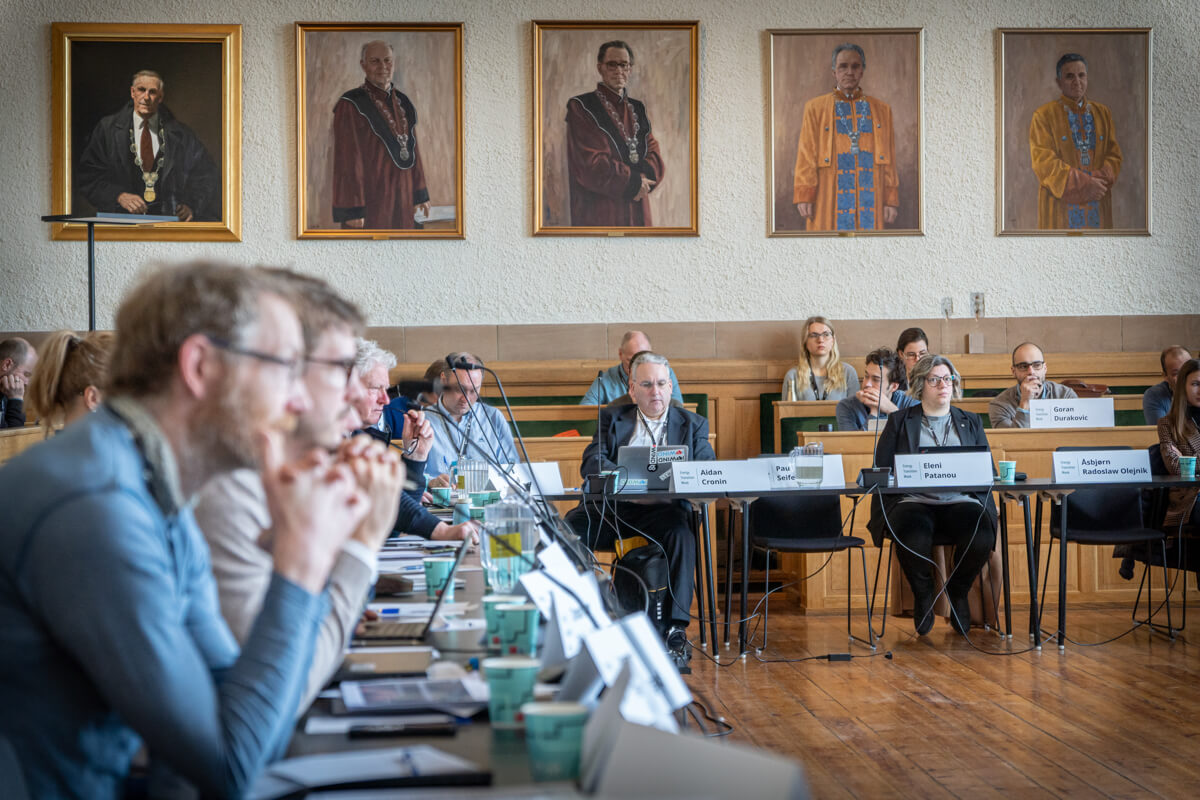
Rådsalen
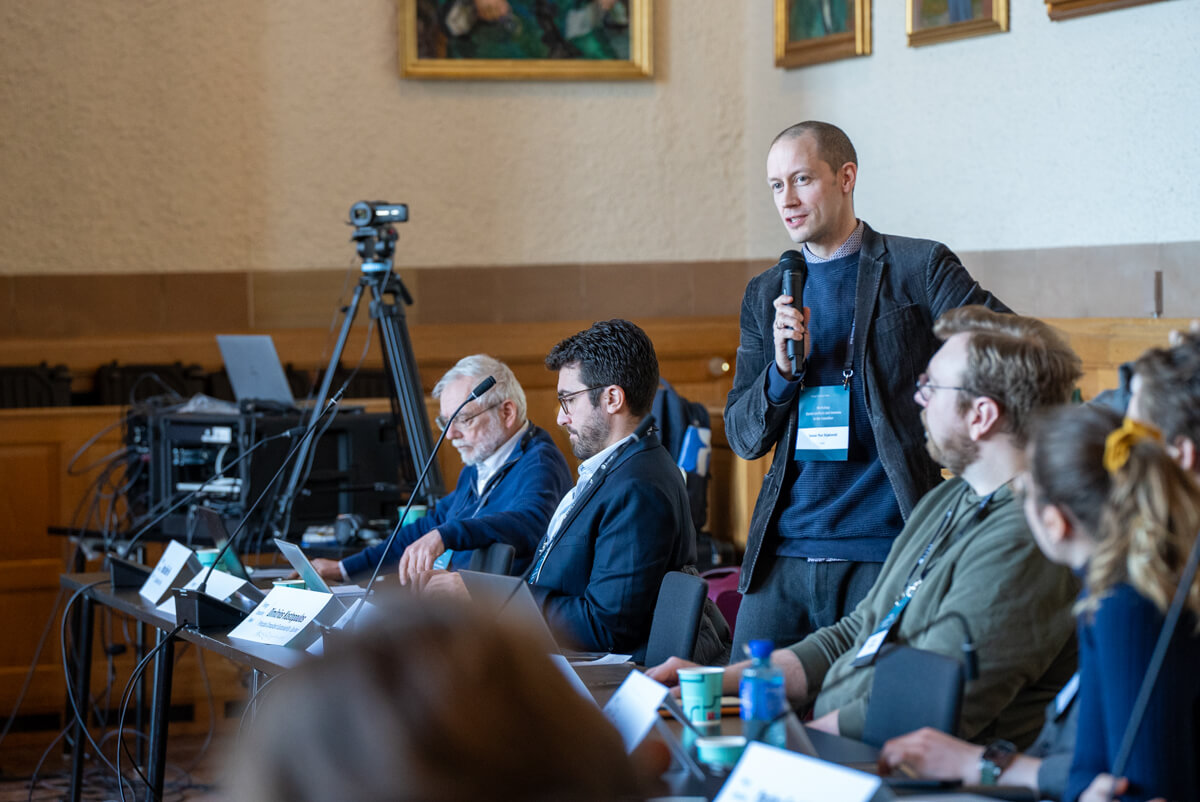
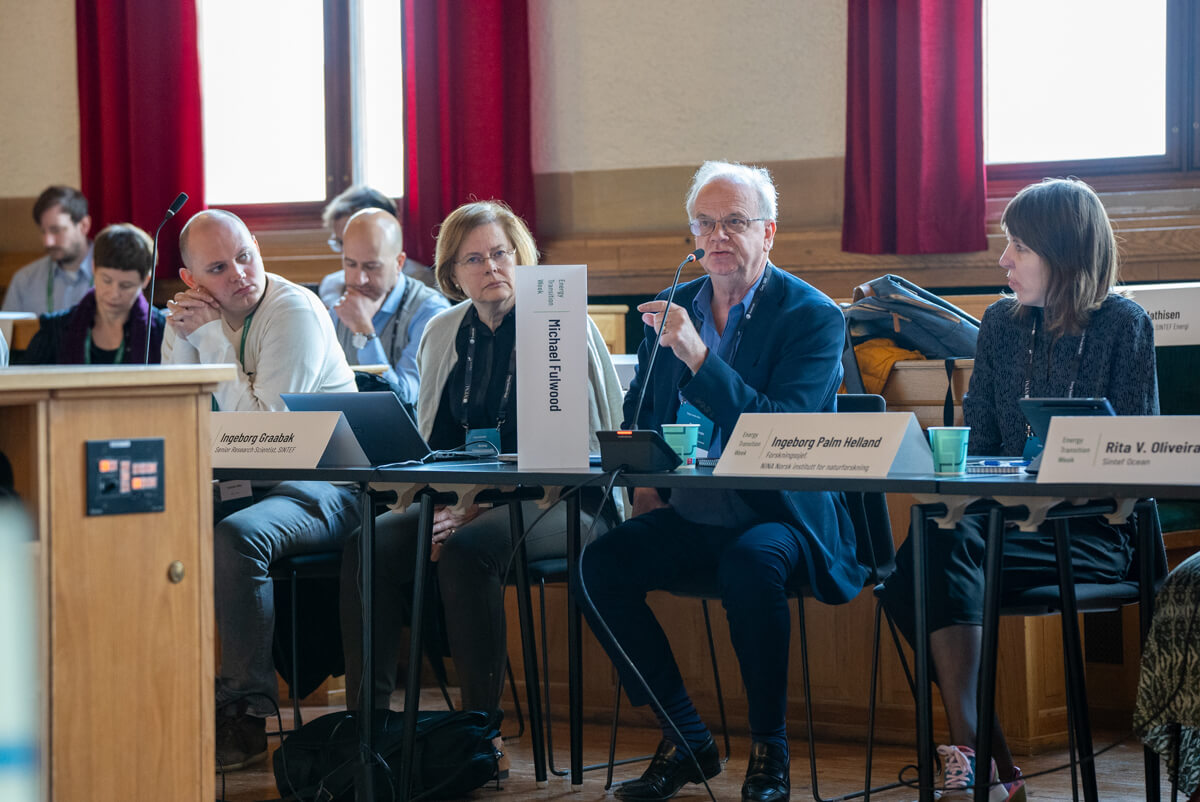
Photos from previous workshops at Rådsalen: