Norway-Ghana-Tanzania Mutual Collaboration on Education, Research & Management on Coastal Resource’ with Norway in Europe, Ghana in West Africa and Tanzania in East Africa. The West African Coast is under severe pressure from both contamination and climate change. Ghana with a fast growing economy, stable governance and emerging higher education & research sector is a key country as an entry point for north-south collaborations on Resource Management & Climate Change on the coastal environment.
Summary of the Project
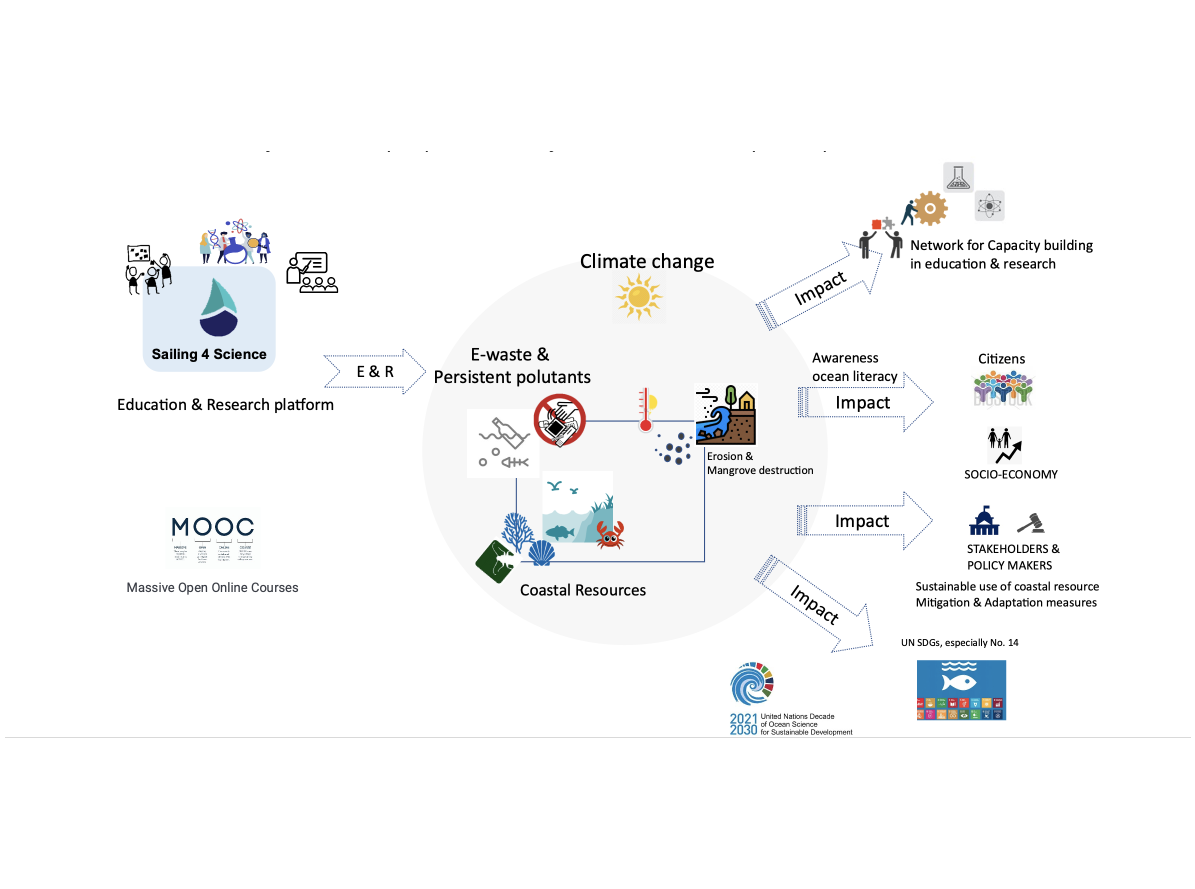
Building Capacity to Crosslink Coastal Pollution with Climate Change (BC5) is a strategic north-south-south collaboration between the Norwegian University of Science and Technology (NTNU), the University of Ghana (UG) & affiliated collaboration by University of Dar Es Salaam, Tanzania. BC5 addresses the thematic area «Climate Change and Natural Resources» under NORHED II. BC5 aims at building knowledge on sustainable management of marine coastal ecosystems and resources, strengthening & improving existing regional coastal research. Research activities will be parallel and intertwined with capacity enhancement in education through the establishment of field & experimental training & curriculum development on the combined impact of coastal contamination & climate change on coastal ecosystems in Ghana and Tanzania.
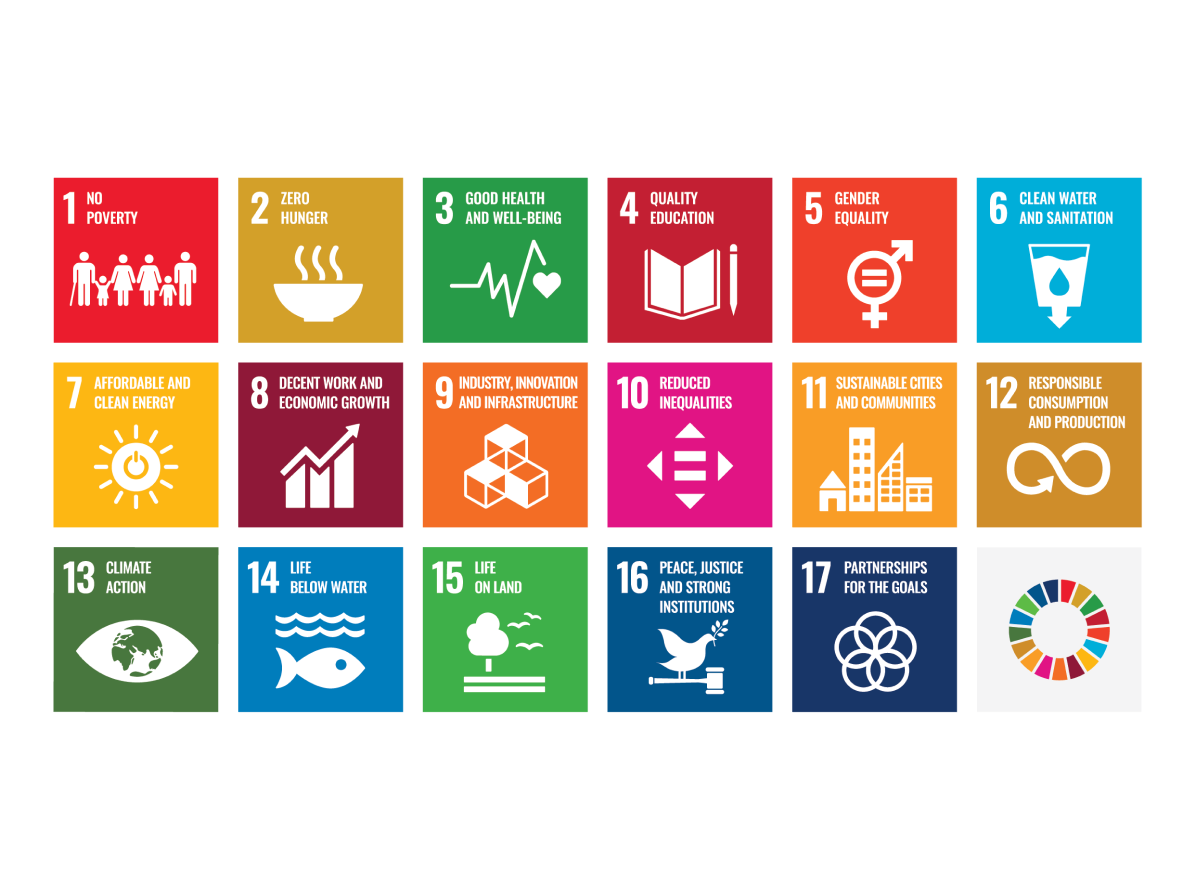
BC5 activities are based on the objectives set by Sustainable Development Goals (SDGs) 14 Life under water and other cross cutting relevant SDGs, particularly SDGs 4 Quality Education, 13 Climate Action, 14 and to an extent SDGs 9 Industry, Innovation and Infrastructure, 5 Gender Equality and 10 Reduced Inequalities to achieve 8 Decent work and Economic Growth and finally to move to SDG1 No Poverty.
Both Ghana & Tanzania lack crucial data and knowledge on the status of their marine environment. Research and monitoring is essential to develop adequate policy measures & financing to reduce critical stressors on their marine environment. Choosing a realistic approach & optimal combinations of resources within possible budget constraints to maximize benefits is important. The combined impacts of pollution and climatic stressors on the environment and biodiversity might be completely different regionally and little knowledge about this prevents effective legislation and policy making for resilience and sustainability.
Ghana will be BC5’s main regional focus with Tanzania as associated third country and a representative from the east African coast for comparative analyses.
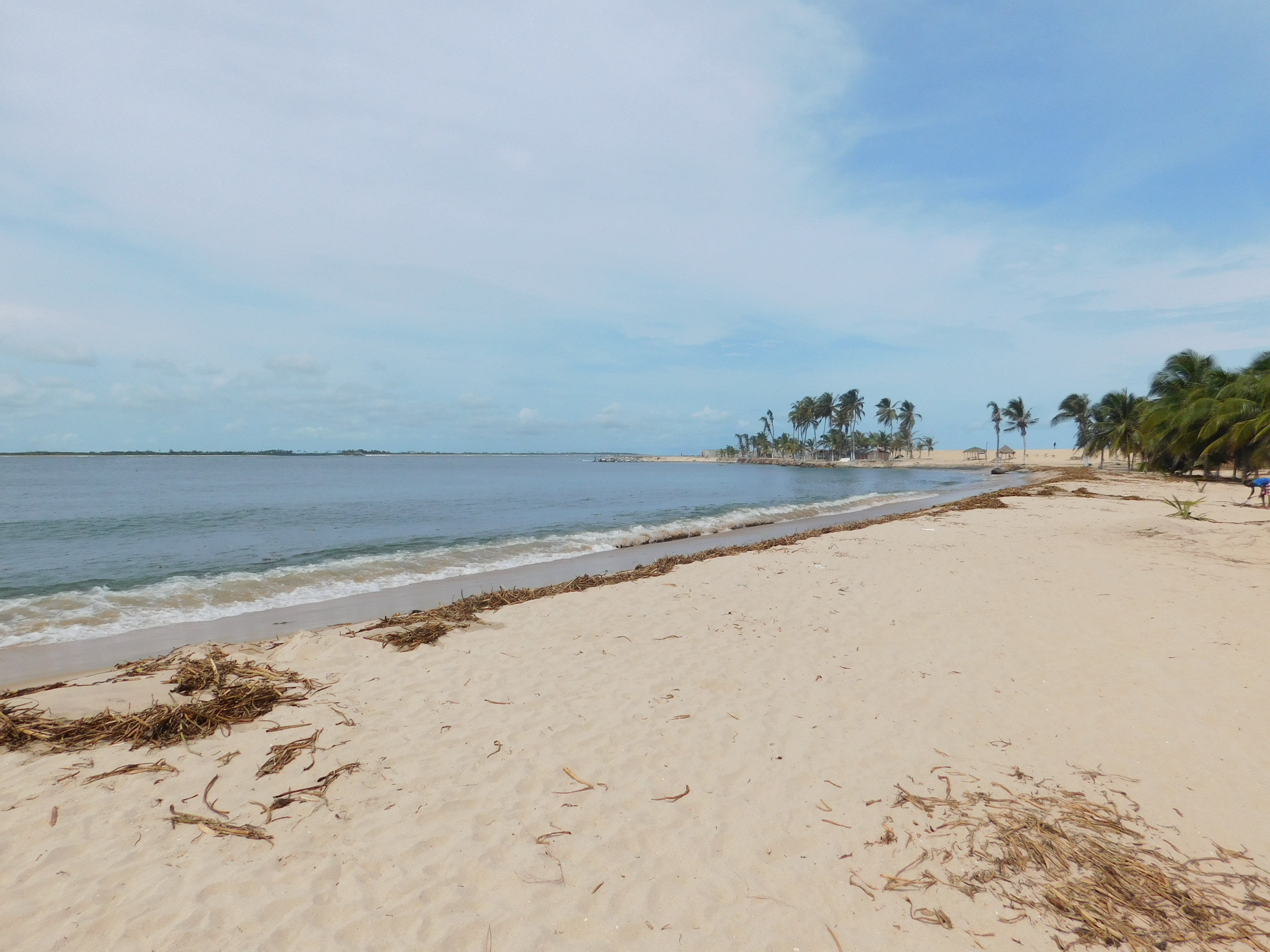
Ghana is situated on the coast of West Africa with 550 km of coastline that has been preoccupied with traditional fishing-based villages - even in urban areas. Currently, a fast transformation with rapid modernization and industrialization is changing the activities along the coast. At the same time, erosion and the new nature of the waves hitting the beaches is changing the very nature of the coastline.
Existing studies provide enough knowledge to establish that degradation of marine environments from anthropogenic pollution has resulted in shared economic costs – as an externality – by various sectors, such as fishing industries, tourism, transport and trade. Now more than ever there is a need for further analysis to better understand the effect of the combination of pollution, erosion and climate change on the marine ecosystem.
In Ghana, land-based activities and industries are the major drivers impacting marine ecosystems in a variety of ways. They can be separated into three broad categories: industrial discharges and emissions; agricultural run-off and emissions; and municipal waste and wastewater discharge.
Ghana’s coastline and coastal zone is generally a low-lying area, not more than 30 m above mean sea level on the landward side and not deeper than 6 meters into the sea. The marine area in Ghana comprises a narrow continental shelf extending outwards from the coastline to between 25 and 35 km offshore, except for Cape Coast and Saltpond, where it reaches up to 80 km in width. This creates a 20,900 km2 continental shelf and 218,100 km2 of Exclusive Economic Zone (EEZ). The coastal zone stretches across the Western, Central, Greater Accra and Volta regions, it makes up about 6 percent of the country’s total land and is home to about 30 percent of the population. The coastal and marine areas contain important resources that provide economic, socio-cultural and regulatory functions. The major primary activity of the zone is fishing, the coastal zone accounts for about 80% of Ghana’s annual fish production of over 450,000 metric tons. The fish value chain is among others, of great importance to women’s livelihood and employment.
The coastline of Tanzania is about 800 km stretching from Kenya to the border with Mozambique. The continental shelf is narrow, except at the Zanzibar and Mafia Channels where the shelf extends for up to 80 km. The coast of Tanzania is characterized by a wide diversity of habitat and very rich coastal resources, typical of the tropical Indian ocean. There is urgent needs to address the wide array of interrelated issues; such as human made stressors, and impact of climate change for effective, cross-sectoral and sustainable coastal management. The artisanal fishery is the most dominant activities in the coastal area which is utilizing the coastal resources. The Tanzanian coastal structure also consists of estuaries, mangrove forests, coral reefs, sandy beaches, cliffs, seagrass beds and muddy tidal flats.
Ghana’s oceanic current systems are generally parallel to the coastal line mostly eastward direction on the other hand in Tanzania, the ecological connectivity between open ocean which can be called as Areas Beyond National Jurisdiction (ABNJ) and the coastal zones is extremely strong. Coastal wetlands, estuaries, lagoons and mangroves ecosystems are transition zones between terrestrial zones and marine systems; they are the most productive zones in the marine environment and have relatively unique habitat and rich biodiversity. These areas provide a range of ecosystem services and resources ranging from building materials, hunting, and fishing areas, to sources of water for humans and livestock as well as medicines. The wetlands also provide useful regulatory functions including shoreline protection, nutrient supply, flood control, and water purification. These systems are essential natural resources for coastal communities.
The area is also known to be important internationally, for the provision of feeding, roosting and nesting sites for thousands of birds, especially migratory and endangered species (i.e. turtles). Some of the coastal lagoons and watersheds along the Ghana & Tanzanian coast have been proposed as Ramsar Sites (internationally important wetlands) under the Convention on Wetlands of International Importance. In recent years, Ghanian coastal wetlands have been destroyed by conversion to agricultural land, or by industrial and urban development. In Tanzanian shrimp aquaculture activities, urbanisation and other land use patterns are acting as stressors for the coastal wetlands.
Human-made contaminants are an important coastal problem both for Ghana and Tanzania. Plastics is a clear example of this problem as it already represents over 16% of total waste stream in Ghana. Only a little over 6% of this plastic is recycled, the rest is stored, burned, sent abroad or leaked into nature. Critical sectors like fisheries are being affected and will suffer even more in the future due to plastic pollution. Fish (fin and shellfish) is being contaminated by plastics which are entering the coastal and marine environment as a result of poor land-based waste management practices. In addition, there is the transboundary influx of marine debris contaminants from coastal countries to the coastal systems of Ghana and Tanzania. Apart from the issues related to impacts on fish stocks and the cascading effects on food security and livelihoods, nano and microplastics have implications on human health that could have serious impacts on coastal populations who depend on marine fish as their main source of animal protein.
Besides the plastic pollution, E-waste is an emerging problem especially in Ghana. E-waste is the combination of both the hazardous (PBR, lead, mercury, chromium, cadmium, etc.) and non-hazardous as well as precious material like gold, silver, copper etc. Available data of meta-analysis of results from published epidemiological investigations of human exposure to electronic waste suggest an association with diseases acting the reproductive, respiratory, neurodevelopmental, genomic, and hormonal systems, but the authors are rightly cautious in not concluding a causal relation between specific electronic waste toxicants and these diseases.
Despite the advances, there is not sufficient scientific knowledge demonstrating the total impact on the coastal ecosystem due widespread marine pollution from E-waste, plastics and other chemical contaminants, such as those released by heavy industry and crude, informal industries, such as automotive repair and electronic waste management.
Agbogbloshieis anUrban area which is under substantial human impact in the Greater Accra region. Agbogbloshie was on of the largest e-waste dump sites in the world.
Research Sites at Ankobra River basin
Research Sites at Ankobra River basin
Ankobra Riverbasinareas heavily polluted from illegal mining in the Western region Ada.
Research Sites at Volta estuary
Research Sites at Volta estuary
Volta estuary is an mangrove ecosystem that is under massive erosion.
Case Studies in Tanzania
Case Studies in Tanzania
Research Sites at Mnazi Bay-Ruvuma Estuary -Mbanya regions
Research Sites at Mnazi Bay-Ruvuma Estuary -Mbanya regions
Border to Mozambique, the Mnazi Bay-Ruvuma Estuary is famous its marine biodiversity. The focus will be ecological connectivity between Areas Beyond National Jurisdiction (ABNJ) and the coastal zones.
Research Sites at Dar es Salaam - Zanzibar - Pemba Island triangle
Research Sites at Dar es Salaam - Zanzibar - Pemba Island triangle
Dar es Salaam and Zanzibar are heavily populated regions. The focus is human-made impact on coastal ecosystems of mangroves, seagrass beds and coral reefs creating risk to the livelihoods of several coastal communities.