Joint EERA and ECMF workshop
Energy Transition Scenarios: Security, Climate, Competitiveness & Justice
Tackling climate change via low-carbon energy systems and practices is one of the most significant challenges of the twenty-first century. Meeting it successfully will require not only new energy technologies, flexibility options, threats, and methods but also new ways of understanding language, visions, and discursive politics.
This one-day workshop convenes experts working on various aspects of energy system transition to discuss key dimensions of the energy transition, including long-term scenarios; where scenario practice is today and where it needs to go next; system flexibility options such as demand response and hydrogen pathways; and the resilience aspects of the transition. Across all sessions, the workshop includes short interventions and moderated Q&As.
The workshop begins with benchmarks and scenario foundations, setting the day’s frame. This session discusses global and European pathway benchmarks at continental and national levels and, in the logic of scenario construction, how we define baselines, compare pathways, and ensure internal consistency. It also examines future weather scenarios and their impact on the energy transition.
The second session shifts from benchmarks to system options, focusing on flexibility and sector coupling. Multiple flexibility options are discussed, including demand response; hydrogen pathways (including seasonal storage and policy and cost implications); and local-to-regional multi-energy system design with Power-to-X. This part of the workshop is about translating high-level targets into system behaviour: how these flexibility options are created, where they are constrained, and how they can assist the energy transition.
The third session focuses on resilience bottlenecks and delivery constraints: the factors that can slow, distort, or derail pathways that appear ‘optimal’ on paper. Topics include critical minerals and material demand, the availability of a skilled workforce, and how open and transparent modelling can support governance processes such as the Ten-Year Network Development Plan and the EU Grid Package.
The day concludes with a session on energy capital, justice, and imagining futures, recognizing that scenario feasibility is shaped as much by institutions, distributional impacts, and social legitimacy as by techno-economic parameters. Discussions cover capital adjustment costs and how to avoid double transitions of energy capital; global perspectives on just transition; and a broader reflection on energy research in a time of turmoil. The final talk steps back to focus on visions around many different energy options: geoengineering and carbon removal, nuclear power, hydrogen fuel cells, shale gas, clean coal, smart meters, and electric vehicles, which are playing a key role in current deliberations about low-carbon energy supply and use. It also discusses the discursive constructions of tomorrow’s energy systems that circulate in the polity with the hope of becoming the material facts of the future, yet are interpreted in conflicting ways, with underlying tensions over how contemporary societies ought to be ordered.
Program
| Time | Session | Content |
|---|---|---|
| 09:00–09:15 | Welcome | Mostafa Barani (NTNU) — The workshop in brief Asgeir Tomasgard (NTNU / ECMF) — General framing talk on energy transition scenarios |
| 09:15–10:30 | Session I: Benchmarks & Scenario Foundations Chair: TBD |
Daniel Huppmann (IIASA / ECMF) — Global and European benchmarks for the energy transition – Insights from model-based emissions pathways Mats Rinaldo (DNV) — Global energy transition pathways and scenario insights from the Energy Transition Outlook Johannes Rahn (Statkraft) — Statkraft Green Transition Scenarios: Latest Insights & Updates Pedro Crespo del Granado (NTNU / ECMF) — Energy Transition accounting for future weather scenarios |
| 10:30–11:00 | Break | |
| 11:00–12:15 | Session II: Resilience Bottlenecks & Delivery Constraints Chair: Steven Gabriel (UMD) |
Tiina Koljonen (VTT / EERA e3s / ECMF) — Perspectives on resilience: demand for metals and minerals Zhengmao Li (Aalto University) — Energy system optimization and resilience at the local level: From single-energy systems to multi-energy systems with P2X technology Jim Watson (UCL / EERA) — Resilience and preparedness in Europe’s energy transition: the role of low-carbon energy research and innovation Konstantin Löffler (TU Berlin / NTNU / ECMF) — How does a lack of skilled workforce impact the German and European Energy Transition? |
| 12:15–13:00 | Lunch | |
| 13:00–14:15 | Session III: System Options, Flexibility, Sector Coupling & Grid Expansion Chair: Hans Auer (TU Wien / ECMF) |
Stian Backe (SINTEF Energy) — Hydrogen and European scenarios, including seasonal storage and policy cost estimation Miguel Chang (IFE – Institute for Energy Technology) — Socio-Technical pathways and demand projections Will Usher (Open Energy Transition / ECMF) — How can open source energy modelling support the implementation of a more transparent and open Ten Year Network Development Plan and the EU Grid Package? Mostafa Barani / Hossein Farahmand (NTNU) — Role of demand response in Europe’s energy transition |
| 14:15–14:45 | Break | |
| 14:45–16:00 | Session IV: Energy Capital, Justice & Imagining Futures Chair: Hossein Farahmand (NTNU) |
Pao-Yu Oei (Europa-Universität Flensburg) — Inputs on global just transition perspectives Aidan Cronin (Siemens Energy) — Grounding the future: Neutralizing static in 2026 Energy research Benjamin K. Sovacool (Boston University / Sussex University) — Visioning and imagining low-carbon energy futures Carolyn Fischer (World Bank) — Capital Adjustment Costs and Nationally Determined Contributions – How to Avoid Double Transitions of Energy Capital? |
Speakers

Benjamin Sovacool
Carolyn Fischer

Pedro del Granado

Asgeir Tomasgard

Mostafa Barani

Daniel Huppmann

Konstantin Löffler

Will Usher

Stian Backe

Tiina Koljonen
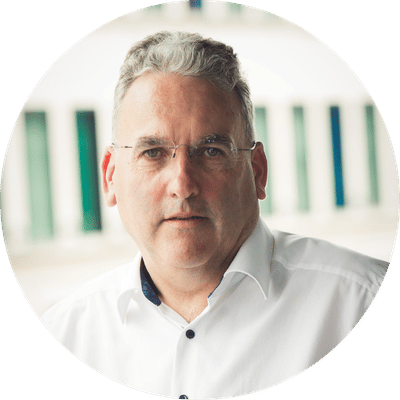
Aidan Cronin
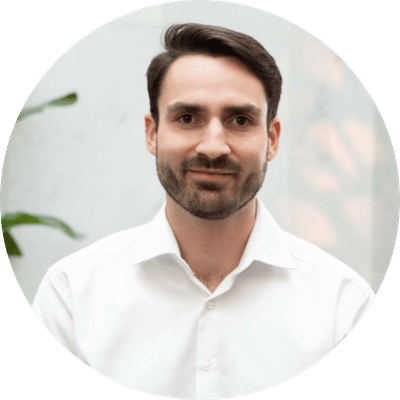
Johannes Rahn
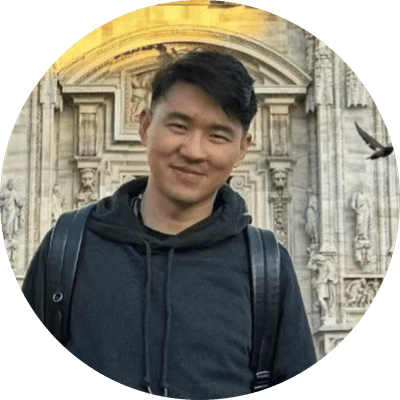
Zhengmao Li
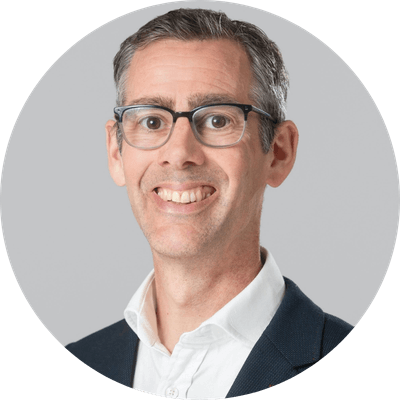
Jim Watson
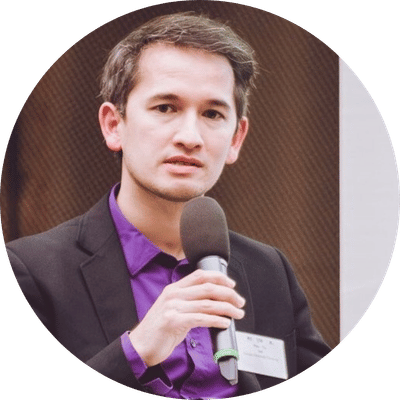
Pao-Yu Oei

Hossein Farahmand

Miguel Chang

Mats Rinaldo
About the organizers:
This workshop is co-organized the European Energy Research Alliance, the Energy and Climate Modelling Forum (EMCF), and iDesignRES.
EERA is the largest low-carbon energy research community in Europe and a key player in the European Union's Strategic Energy Technology (SET) Plan. The Joint Programme involved in the organization of this workshop is Joint Programme e3s (“clean Energy tranSition for Sustainable Society»), namely Sub-Programme 5 on Transtion Pathway Modelling.
The ECMF aims to establish a European forum for energy and climate researchers and policy makers to achieve climate neutrality. ECMF brings together the community of European energy and climate modelers and policy makers, the data, scenarios and tools to apply them to scientifically sound and policy-relevant activities in the energy and climate policy domain.
iDesignRES is one of the largest ongoing EU projects on energy system modelling and optimization. The project is dedicated to accelerating the understanding of the insights of energy system analyses. The objectives focus on developing optimized open-source tools for comprehensive energy system modelling, representing long term planning and short-term operation, and creating dynamic multi-physics models. The project empowers network operators and public authorities with user-friendly visualization tools for long-term and multi-carrier grid planning.


Practical information:
Thursday 19 March: 9:00 - 16:00
-
Moderated presentations and discussion
-
Location: Rådsalen, NTNU main building
-
Organisers:
EERA, ECMF, iDesignRES
Organizers
-
Mostafa Barani Researcher
+47-73558997 mostafa.barani@ntnu.no Department of Industrial Economics and Technology Management -
Pedro Crespo del Granado Associate Professor
+47-73558976 pedro@ntnu.no Department of Industrial Economics and Technology Management -
Tiina Koljonen VTT
-
Konstantin Löffler Associate Professor
konstantin.loffler@ntnu.no Department of Industrial Economics and Technology Management -
Raquel Santos Jorge Research coordinator/Researcher
+4746894224 raquel.s.jorge@ntnu.no Department of Industrial Economics and Technology Management

Rådsalen
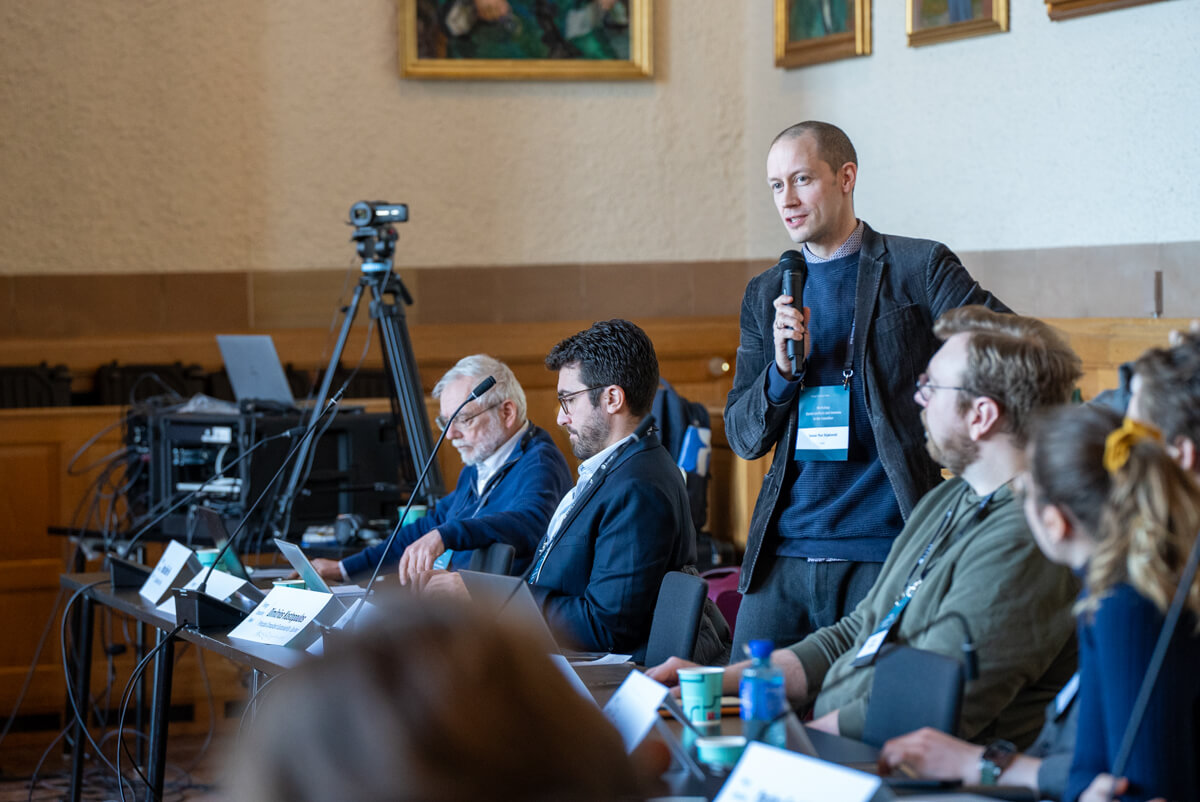
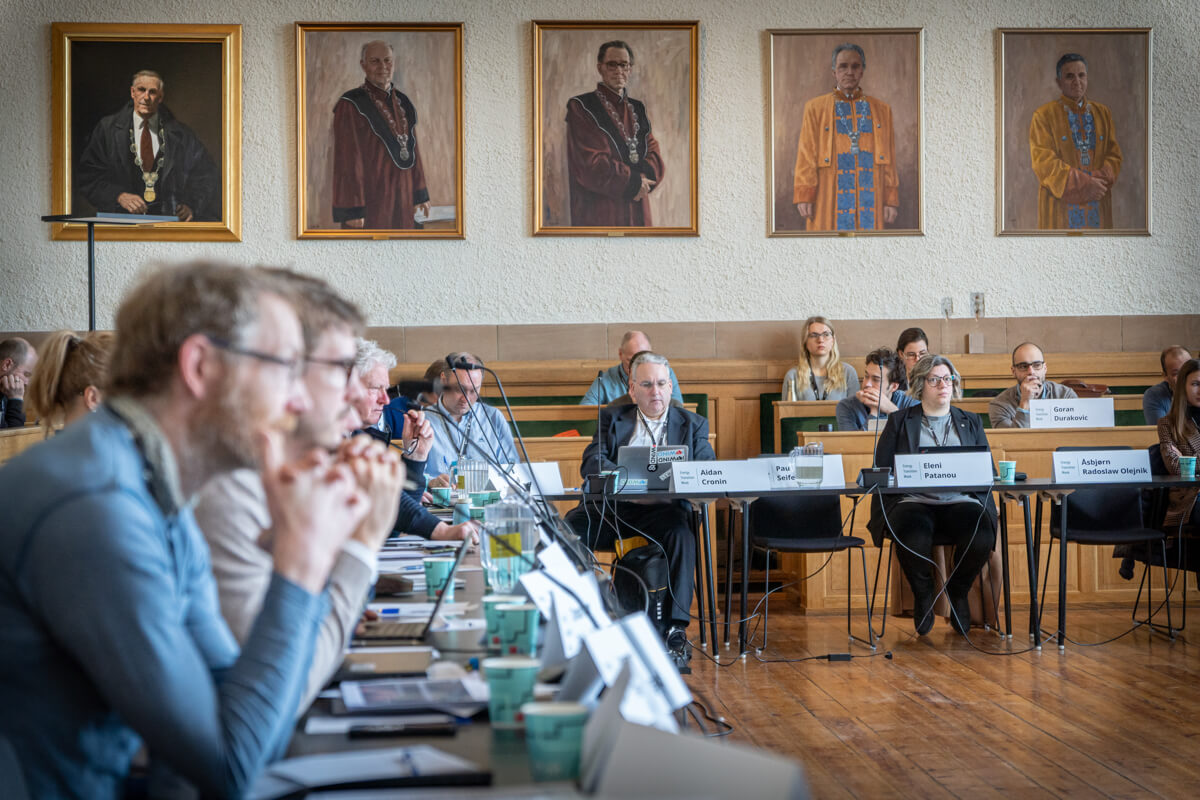
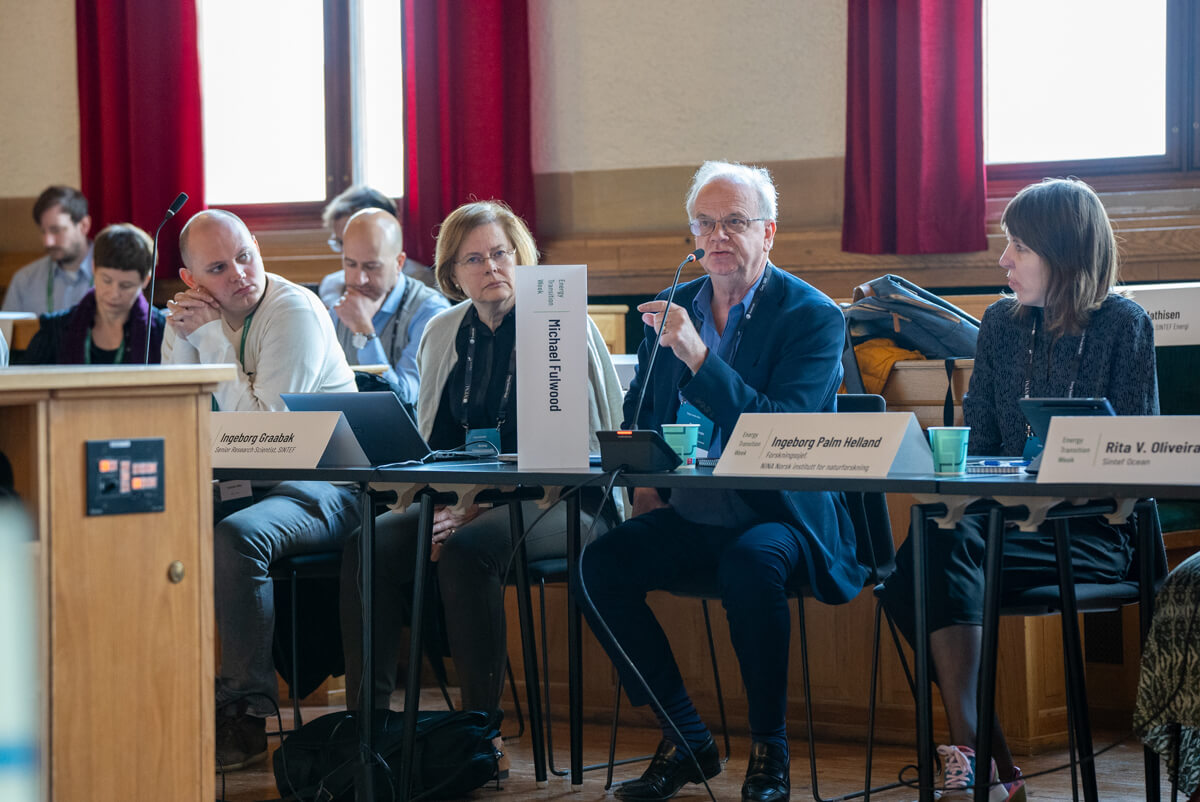
Photos from previous workshops at Rådsalen: