
Societal Security - Strategic Research Area

NTNU Societal Security
Knowledge for a safer society
Strategic Research Area 2024–2031
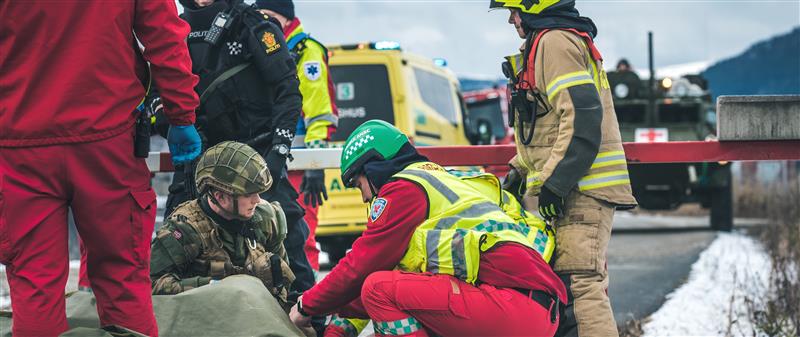
NTNU Societal Security develops new insights and solutions that strengthen civil security and emergency preparedness. This area concerns society’s ability to protect against and manage incidents that threaten fundamental values and functions, and that endanger life and health.
Our interdisciplinary research teams bring together researchers from multiple disciplines and faculties to build strong networks, develop competitive funding proposals, and initiate projects that address current and future challenges in civil security and emergency preparedness.
Focus areas:
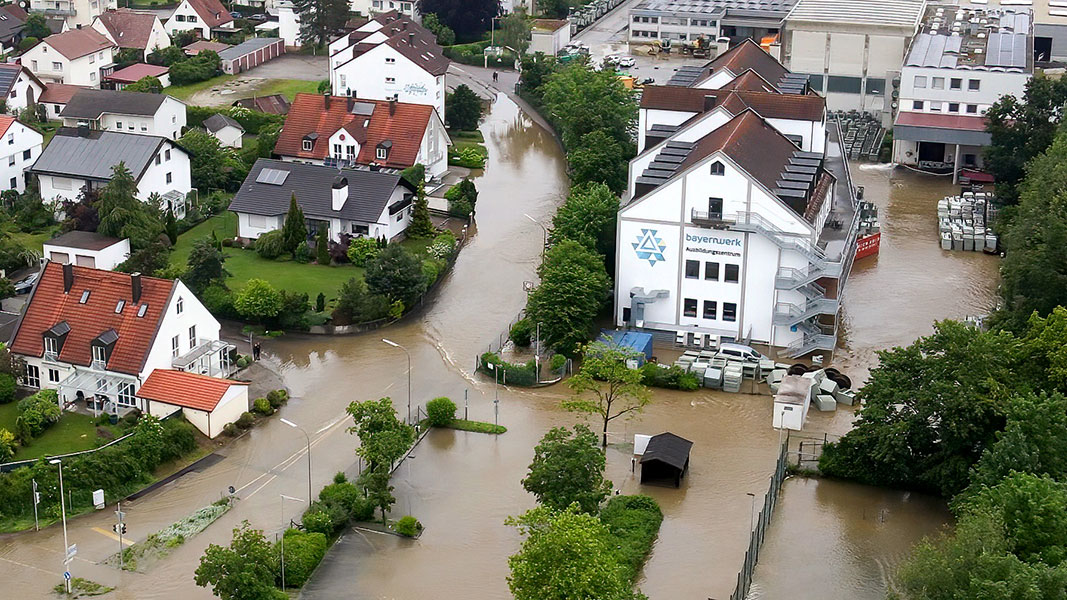
- Climate adaptation and natural hazard management
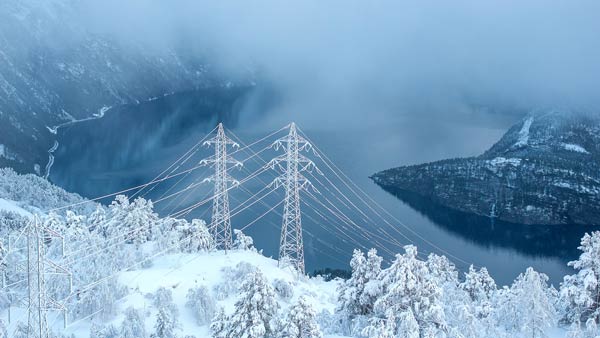
- Critical societal functions and critical infrastructure
- Cyber security and vulnerability
- Liberal world order in transition
- Security of supply and value chains
Interdisciplinary Research Teams in NTNU Societal and Security
Contact the teams for expertise, or for a conversation about potential collaboration.
NTNU staff may apply to establish a new research team. You may also join one of our existing teams. In that case, please contact the team.







What does Societal Security and Emergency Preparedness include
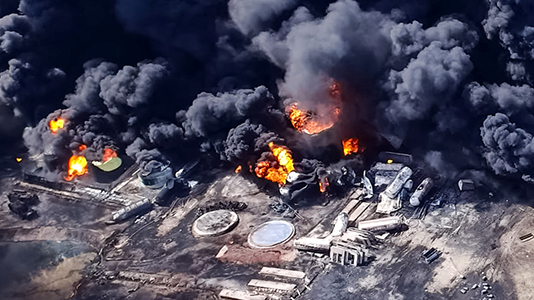
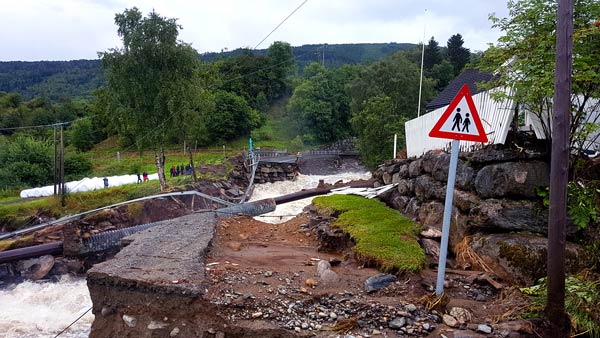
- Incidents include natural disasters, pandemics, conflict and war, technical or human error or deliberate actions.
- Fundamental values include the protection of the population, democracy, the rule of law and national independence.
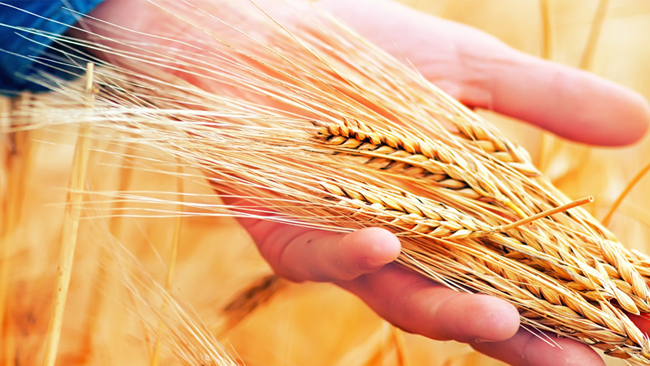
- Critical societal functions are those necessary to meet the basic needs of the population and society (food, water, energy, security, etc.) and to maintain the population’s sense of safety.
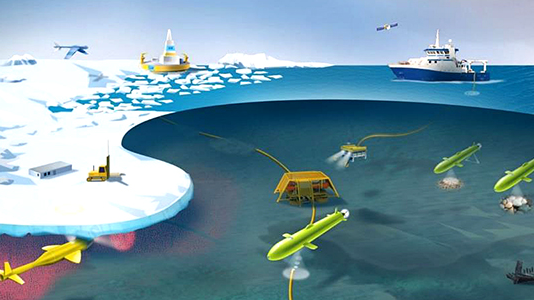
- Critical infrastructure refers to the facilities and systems that are necessary to maintain society’s critical functions.
Research articles
Some topics in Norwegian SciTech News: Ammunition | Preparedness | Energy Supply | Infrastructure | Food Security | Natural Disasters | Surveillance. Explore more societal security topics in Norwegian SciTech News.