Example of sustainability analysis - Implementation of program analysis in a compiler
Example of sustainability analysis - Implementation of program analysis in a compiler
Implementation of program analysis in a compiler
Author: Håvard Rognebakke Krogstie
NTNU Open: Improving Andersen's Pointer Analysis in the Jlm Compiler
Short description
Theme: Implementation of a specific type of program analysis in a compiler with the aim of optimizing the compiled program code
Type of Thesis: Technical / theoretical
Abstract
Purpose of the thesis: To implement, within the compiler itself, an analysis method that enables better optimization of the compiled program code.
This is a technical and partly theoretical thesis where the main impact on sustainability will primarily concern resource usage related to the compiler and the software. Sustainability in these areas falls under what is known as “green IT.”
Sustainability analysis
A simple sustainability analysis was conducted in connection with the thesis. The following assumptions were made:
-
The final solution is assumed to be implemented in a widely used compiler
-
The final solution works, meaning the compiler’s analysis leads to more efficient program code
-
The compiled software is run far more often than the code is compiled, making the resource usage of compilation less significant compared to the gains from efficient program code
- The final solution is general enough to be adopted in other compilers as well
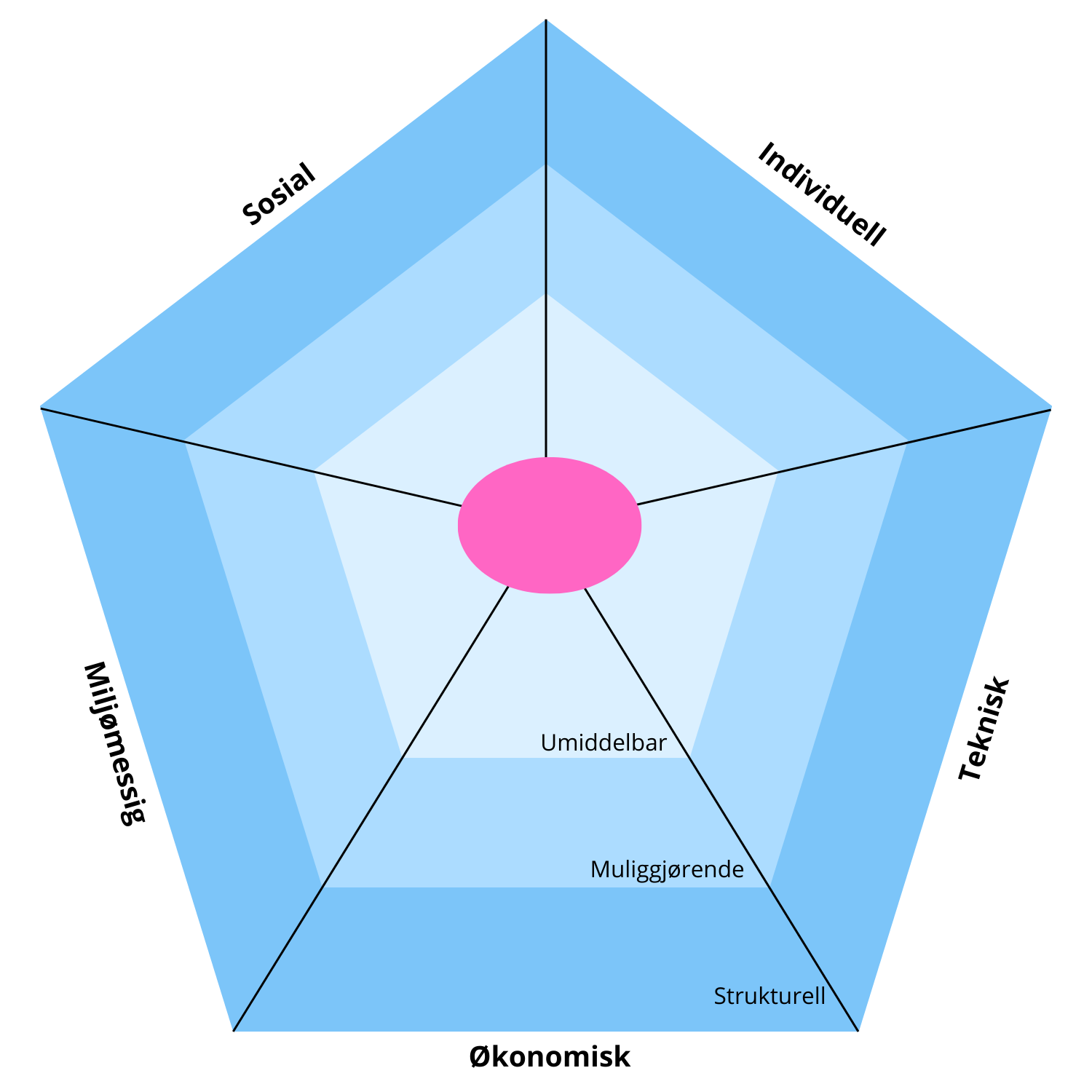
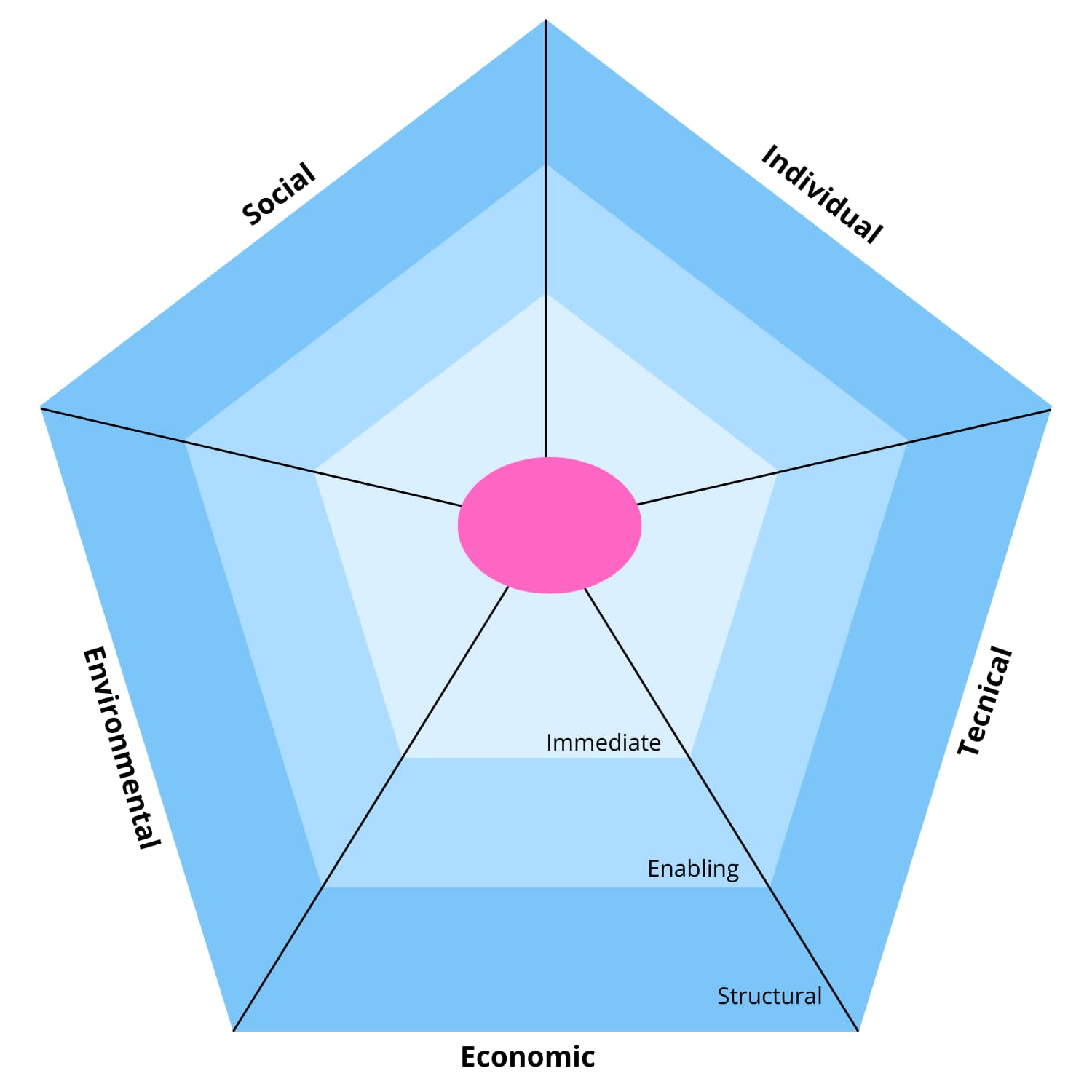
The following sustainability effects were identified and represented in a sustainability diagram (see Figure 1):

|
TE1: Technical impacts, enabling:
|
These two impacts will in turn lead to effects related to the environment (shown with arrows in the diagram):
|
EnE1: Environmental impacts, enabling:
|
As a consequence of this, effects related to the economy may follow:
|
EcE1: Economic impacts, enabling:
|
All of the above impacts can be considered positive, shown in the diagram using green color.
|
SE1: Social impact, enabling:
|
The solution requires a technically challenging development task to be carried out, with various resource demands associated with it and a significant degree of unpredictability.
|
TI1: Technical impact, immediate:
|
Yellow is used in the figure to indicate that this can be considered a neutral impact (neither good nor bad, or both).
However, the demands of the development work can lead to challenges for the developer in terms of time use, which is why this is included as a potential impact:
|
II1: Individual impact, immediate:
|
Relationships between impacts:
Immediate level; relationships:
- TI1 → II1: Extensive time spent on a demanding development process makes it difficult to balance work and leisure.
Enabling level; relationships:
- EnE1 → EcE1: Lower resource consumption leads to increased revenue from the software.
- SE1 → EcE1: When it can be reused in other compilers, money is saved.
- TE1 → EcE1: The implemented improvement makes the software more efficient, thereby requiring fewer resources.
No systemic impacts were identified in the analysis.
It is possible to go further and find other impacts that may follow from the identified ones. The analysis in the example was concluded based on an assessment of probability (in light of the assumptions) and the significance of the impacts.
It is also possible to create this in a table format:
| ID | Effect | Level | Affects | +/- |
| TE1 | The compiler analyzes faster | Enabling | EcE1 | + |
| II1 |
Lack of work/life balance for developer |
Immediate | TE1 | - |
| EnE1 | Lower resource usage related to the compiler | Enabling | EcE1 | + |
| EcEn1 | Lower resource usage related to the software | Enabling | EcE1 | + |
| EcE1 | Increased revenue from software sales | Enabling | + | |
| SE1 | The solution is used in other compilers | Enabling | EcE1 | + |
| TI1 | Technically demanding development process | Immediate | II1 |