SOLUMA
Sustainable Land Use and Soy Supply Chains


Sustainable Land Use and Soy Supply Chains

Sustainable Land Use and Soy Supply Chains
Sustainable Land Use and Soy Supply Chains

Sustainable Land Use and Soy Supply Chains
SOLUMA is a research project funded by the Norwegian Research Council and coordinated by NTNU (Department of Geography and Social Anthropology).
The project examines how global demand for soy contributes to deforestation and land-use pressure in Brazil, and how European sustainability regulations shape these dynamics. It brings together researchers, industry partners, and policymakers to better understand the real-world impacts of sustainability policies.
SOLUMA aims to provide actionable insights that help balance environmental protection with economic resilience by
Timeline
The SOLUMA project runs from March 2026 to February 2030. During this period, research activities will be conducted across Norway and Brazil. Key milestones include policy analysis, fieldwork, stakeholder workshops, and dissemination activities.
SOLUMA investigates how soy production, driven by global demand for livestock and aquaculture feed, contributes to land-use change and deforestation in Brazil. The project focuses on how sustainability regulations—particularly from the EU/EEA—are implemented and how they influence supply chains. It explores how these regulations affect Norwegian food producers and Brazilian soy producers, including unintended consequences such as trade diversion.
Through interdisciplinary research, SOLUMA connects policy, business practices, and environmental outcomes. The goal is to assess whether current frameworks effectively reduce deforestation or create new challenges.
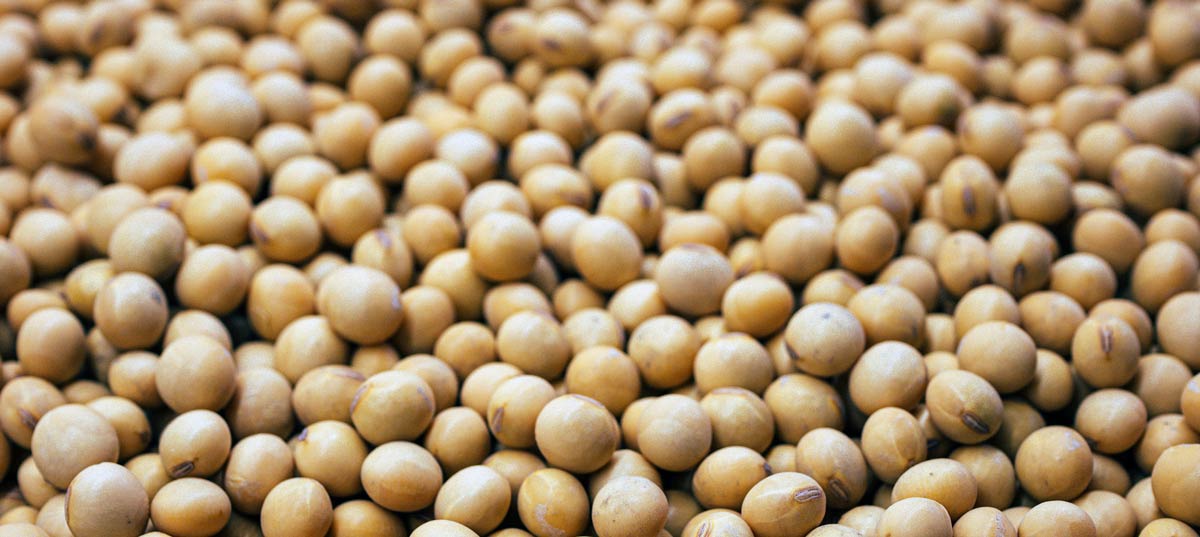
Soy is the world’s leading protein source for animal feed and plays a critical role in global food systems. Around 77% of global soy production is used for livestock and aquaculture, including salmon farming. Global soy production has increased dramatically over the past decades, driven by rising demand for meat and fish. However, soy production is also a major driver of deforestation, particularly in Brazil. This creates a complex challenge: soy is essential for food production, yet its environmental impact must be addressed.
Policy Context
The European Union has introduced ambitious sustainability regulations aimed at reducing deforestation and improving supply chain transparency.
Key frameworks include the European Green Deal, the Corporate Sustainability Reporting Directive (CSRD), the Corporate Sustainability Due Diligence Directive (CSDDD), and the EU Deforestation Regulation (EUDR). These regulations require companies to monitor and report environmental and social impacts across their supply chains. For Norway, which is part of the EEA but not the EU, implementation raises additional challenges.
SOLUMA examines how these policies are translated into practice and their broader global effects.
SOLUMA is organised into six work packages covering policy, business, environmental, and communication aspects.
SOLUMA is a collaborative project involving leading research institutions and industry partners.
Norwegian University of Science and Technology coordinates the project and contributes expertise in sustainability governance and social science research.
Visit websiteContributes expertise in environmental analysis and life cycle assessment of food systems.
Visit websiteProvides policy expertise and supports stakeholder engagement activities.
Visit websiteRepresents the industry perspective with expertise in soy processing and sustainable sourcing.
Visit websiteContributes expertise on Brazilian agriculture, trade, and environmental governance.
Visit website