
Launching our new WHO Collaborating Centre — join us! Dokkhuset, 13 May, 2026
Launch Seminar: WHO Collaborating Centre on Well-being and Social Sustainabilty
Exclusion, inequality and poor mental health have grown for decades. Vast resources and good intentions have not reversed the trend. We need new thinking, and new alliances that can drive change forward.
On 13 May 2026, NTNU WellFare formally launches the WHO Collaborating Centre on Well-being and Social Sustainability — one of close to 800 WHO-designated institutions worldwide, and a new hub for evidence-based work on fairness, social sustainability and the wellbeing economy in Norway and internationally.
This is a day for policymakers, researchers across disciplines, civil society, philanthropy and business — all those working on how people live, belong, contribute and thrive today and in the future. Speakers include leading voices from the WHO Venice Office, governments in Scotland, Wales, Finland and Iceland, and NTNU, sharing practical experience and knowledge of what a wellbeing economy looks like across different country contexts. We will also hear from lived experience, young voices, voluntary organisations, philanthropy, business, researchers and public servants — because a society that creates wellbeing now and for the future depends on collaboration across the whole of society.
The programme moves from formal opening and launch, through the knowledge base, to open dialogue — with ample opportunity for networking and informal exchange throughout.
- Date: Wednesday 13 May 2026, 08:30–14:30
- Questions: heimburg@ntnu.no
The Programme: An Overview
Exclusion, inequality and poor mental health have grown for decades — vast resources and good intentions have not reversed the trend. We need new thinking, and new coalitions. This seminar brings together the people best placed to build them.
We are living through a moment of profound transition: economic systems are being reshaped by climate pressures, digital disruption and growing social fractures. The question is not whether things will change, but whether that change will be fair — for people today and for future generations. A wellbeing economy puts people and the planet at the centre. This is what the day is about.
If your work connects in some way to how people live, belong and thrive — today and in the future — this conversation is for you. This seminar is for policymakers, WHO and international partners, researchers from across all disciplines, civil society, philanthropy and business leaders committed to wellbeing and fair practice.
This is a curated gathering combining invited guests and open, registered participation. The programme moves from inauguration to evidence to action, with speakers bringing real experience from governments, WHO and research institutions across Europe. There will be space for dialogue, networking over lunch, and the kind of informal exchange that only happens when the right people are in the same room.
Launch Seminar Programme: In Details

Dokkhuset, Trondheim (map) | 13 May 2026 | 08:30–14:30.
08:30–09:00 Coffee & Music
Informal welcome — guests arrive to coffee and live music before the formal opening
Opening
09:00–09:15 Welcome & Opening
- Tor Grande, Rector, NTNU
09:15–09:25 The Why — and Why Now? Introducing the WHO Collaborating Centre
- Chris Brown, WHO Venice Office — the WHO CC framework, this mandate, and why the moment matters
09:25–09:35 What is the Wellbeing Economy — and Why Does it Matter?
- Odd N. Hansen, WHO Venice Office — from GDP to what counts: the WBE agenda and what it looks like in practice across different European economic and political contexts
09:35–09:55 Presenting the Centre: Vision, Agenda and Ambitions
- Dina von Heimburg & Ottar Ness — the centre’s vision, research agenda, partnerships and what success looks like
09:55–10:10 NTNU’s and National Government Endorsement
- Cathrine M. Lofthus, Director of Norwegian Directorate of Health and member of WHO’s Executive Board, Norwegian Government Representative - national policy perspective on wellbeing and sustainable development
- Hans Petter Ulleberg, Vice-dean for Research, Faculty of Social and Educational Sciences — institutional response and affirmation on behalf of NTNU
10:10–10:25 Coffee & Informal Networking
Health Equity Status Report Initiative (HESRi2)
10:25–10:40 HESRi2: Connecting the WHO CC to WHO’s European Health Equity Agenda
- Chris Brown, WHO Venice Office — introducing HESRi2 and its significance for the European Region (launch due September 2026)
- Peter Goldblatt, UCL Institute of Health Equity — the evidence base and what HESRi2 means for policy action
Longterm Governance & People-powered Approaches
10:40–11:30 Featured Speaker & Facilitated Conversation
- Sophie Howe, Former Future Generations Commissioner, Wales — drawing on the Wales Deep Dive and her experience of the Well-being of Future Generations Act
- Facilitated conversation (Facilitator: Inga Marte Thorkildsen): Gabriele Pastorino (WHO Geneva, social participation) + Tone Torgersen (Norwegian Public Health Association), Niels Højberg, (Red Cross, Denmark) and Lena Yri Engelsen (expert by experience and Secretary General for the 1001 Days National Alliance)
“What does it actually take — politically, scientifically, and socially — to make long-term wellbeing a governance reality?”
- Open floor
- Closing panel comments from Sophie Howe
11:30–12:15 Lunch & Structured Networking
The Deep Dive Series
12:15–13:00 Deep Dives on the Wellbeing Economy & Policy Responses
- Dina von Heimburg — presenting the Deep Dive Series: key findings and implications
- Facilitated exchange (Facilitator: Chris Brown) - response and reflection on how this evidence shapes policy:
- Mariana Dyakova, Head of International Health and Well-being Economy Lead and Technical Director, Policy and International Health, a WHO Collaborating Centre on Investment for Health and Wellbeing, Public health Wales, Wales
- Dóra Guðrún Guðmundsdóttir, Director of Public Health, Directorate of Health, Iceland
- Gary Gillespie, Director & Chief Economic Adviser, Scottish Government
- Merita Mesiäislehto, Research Manager, PhD, Finnish Institute for Health and Welfare (THL), Finland
- Open floor
13:00–13:15 Comfort Break
The Future, Funder & Partner Perspective
13:15–13:20 Building the Change We Want to See: Collaboration, Networks and Partnerships
- Lisa Hough-Stewart (WEAll Global) - Video message
13:20–13:40 Young Voices and Future Generations Perspective
- A dedicated table of youth representatives (Facilitator: Inga Marte Thorkildsen).
- Conversation between Ali Al-Makhrami (youth research advisor with ReStructure and participant in The Citizens Model) and Thea Birgitte Erfjord (Director for Spire) — exploring what long-term wellbeing governance means for and with families, young people and future generations
13:40–14:15 Towards a Whole-of-society Approach to wellbeing for all
- Representatives from government, academia, philanthropy, business and civil society — including NGO voices.
“Where do you see the greatest opportunities for cross-sector collaboration in accelerating the shift to a wellbeing economy — and what might that look like in practice?”
Facilitator: Inga Marte Thorkildsen. Panel format — discussions across 4 themes:
- Research agenda & methods
- Governance uptake & policy translation
- Funding & partnerships
- Cross-country and international learning
Open dialogue
Closing
14:15–14:30 Closing & Next Steps
- What we heard today
- Concrete next milestones for the centre
- Invitation to stay connected and contribute
- Thank yous
Dina von Heimburg & Ottar Ness + Christine Brown
Learn More About the Speakers
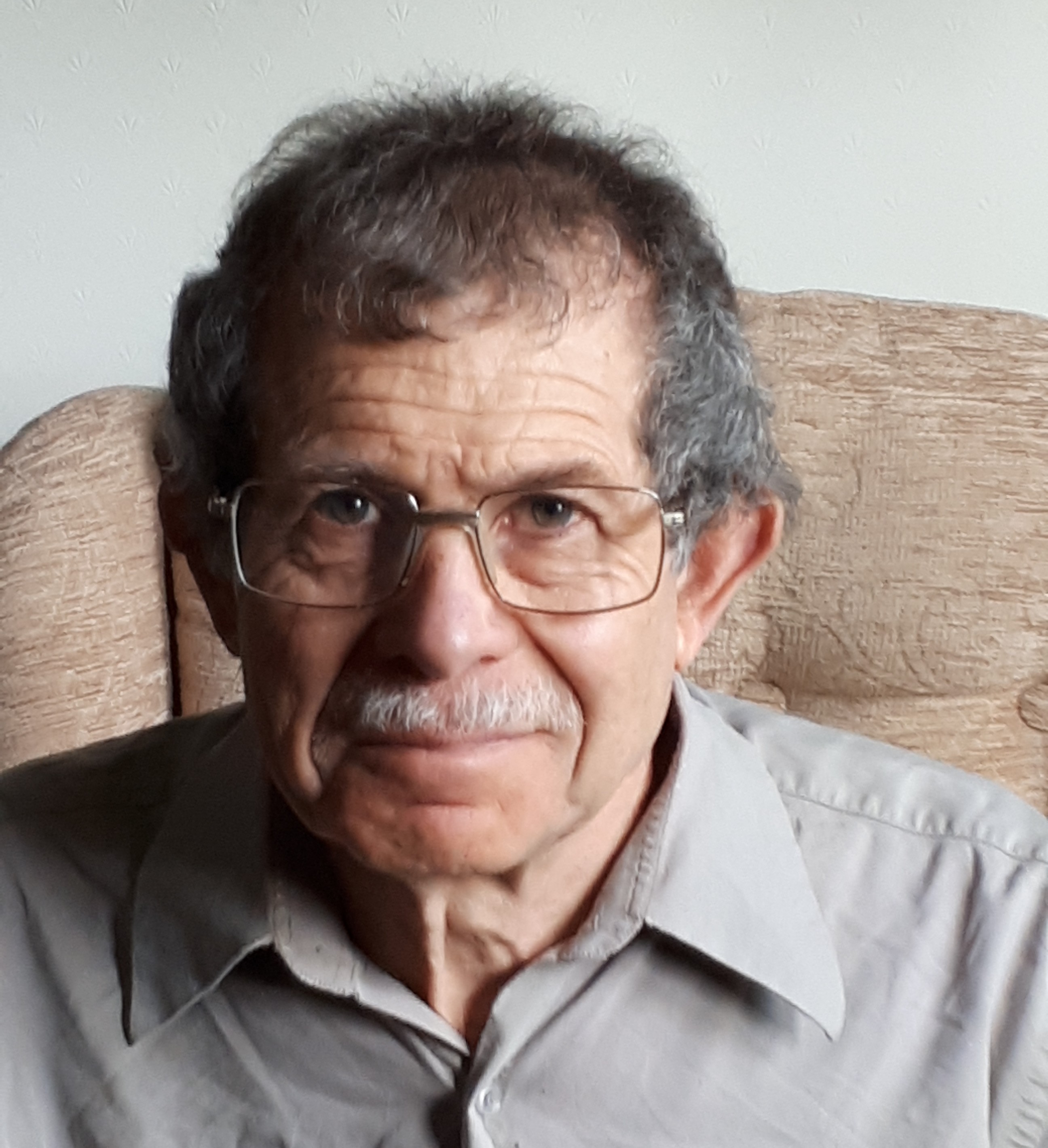
Peter Goldblatt
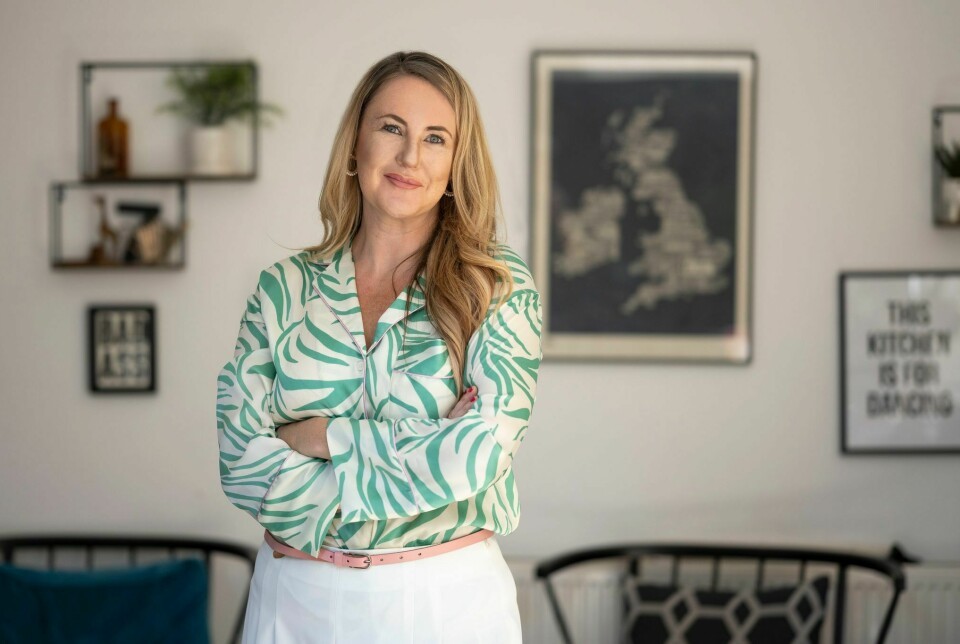
Sophie Howe
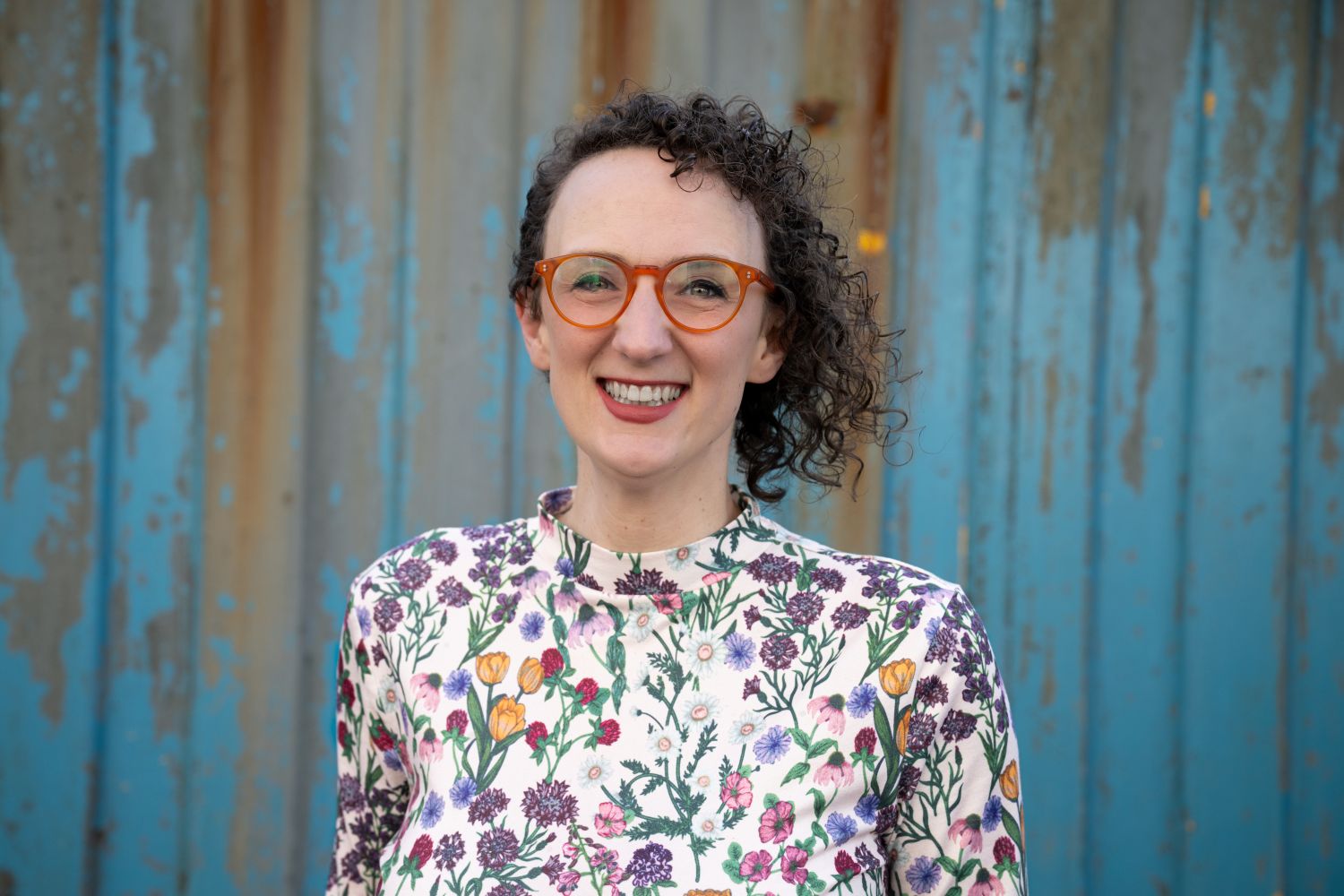
Lisa Hough-Stewart
We welcome your feedback from the Launch Seminar, 13 May 2026
Thank you very much for your responses and for taking the time to share your feedback and ideas.