Navigation

  • Skip to Content
NTNU Home NTNU Home

NanoMechanical Hydrogen Embrittelment (nmhe)

  • Studies
    • Master's programmes in English
    • For exchange students
    • PhD opportunities
    • All programmes of study
    • Courses
    • Financing
    • Language requirements
    • Application process
    • Academic calendar
    • FAQ
  • Research and innovation
    • NTNU research
    • Research excellence
    • Strategic research areas
    • Innovation resources
    • PhD opportunities
  • Life and housing
    • Student in Trondheim
    • Student in Gjøvik
    • Student in Ålesund
    • For researchers
    • Life and housing
  • About NTNU
    • Contact us
    • Faculties and departments
    • Libraries
    • International researcher support
    • Vacancies
    • About NTNU
    • Maps
  1. NanoMech-Members
  2. shabnam.karimi

Språkvelger

shabnam.karimi

×
  • NanoMech - Home
  • NanoMech - HE Projects
  • NanoMech-Members
    • iman.taji
    • shabnam.karimi
    • mohsen.asadipoor
    • dong.wang
    • xu.lu
    • di.wan
    • yun.deng
  • UROP - MTP
MENU

Multiscale Characterization of Environmentally Assisted Cracking in Flexible Armour Wires

Multiscale Characterization of Environmentally Assisted Cracking in Flexible Armour Wires

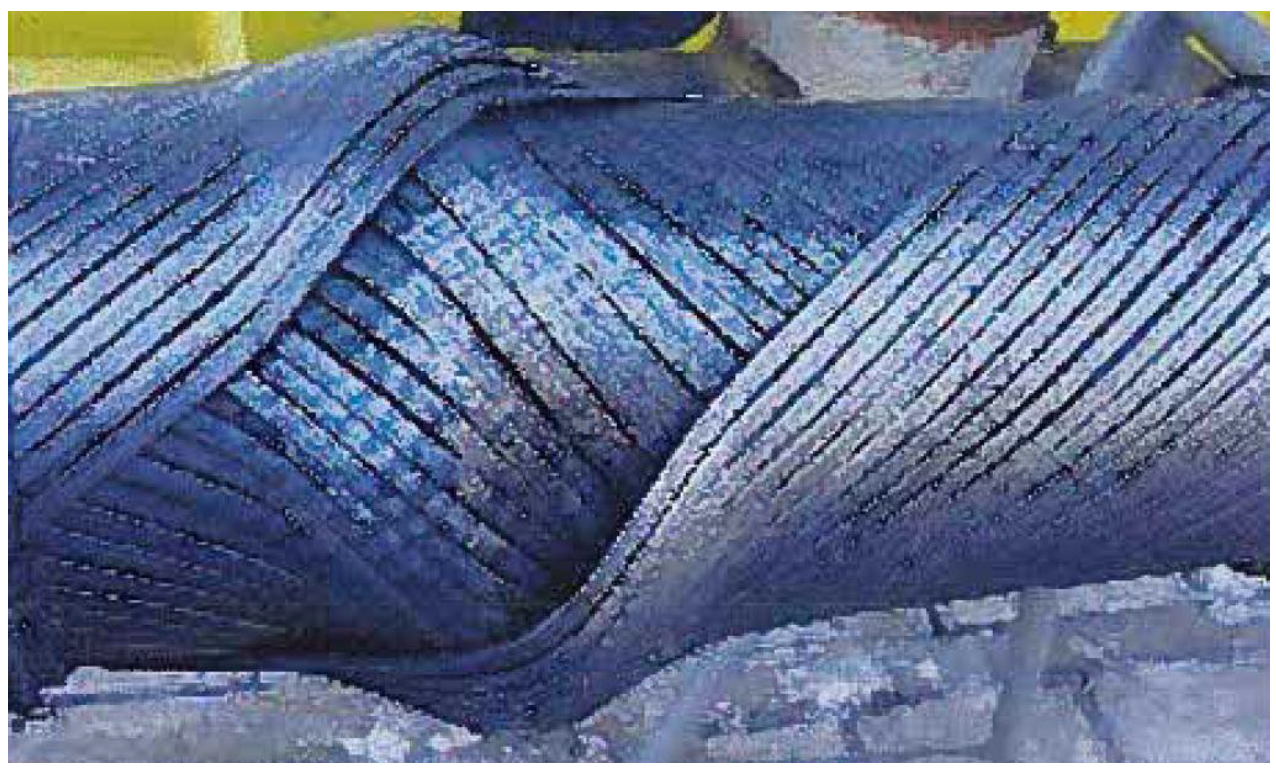
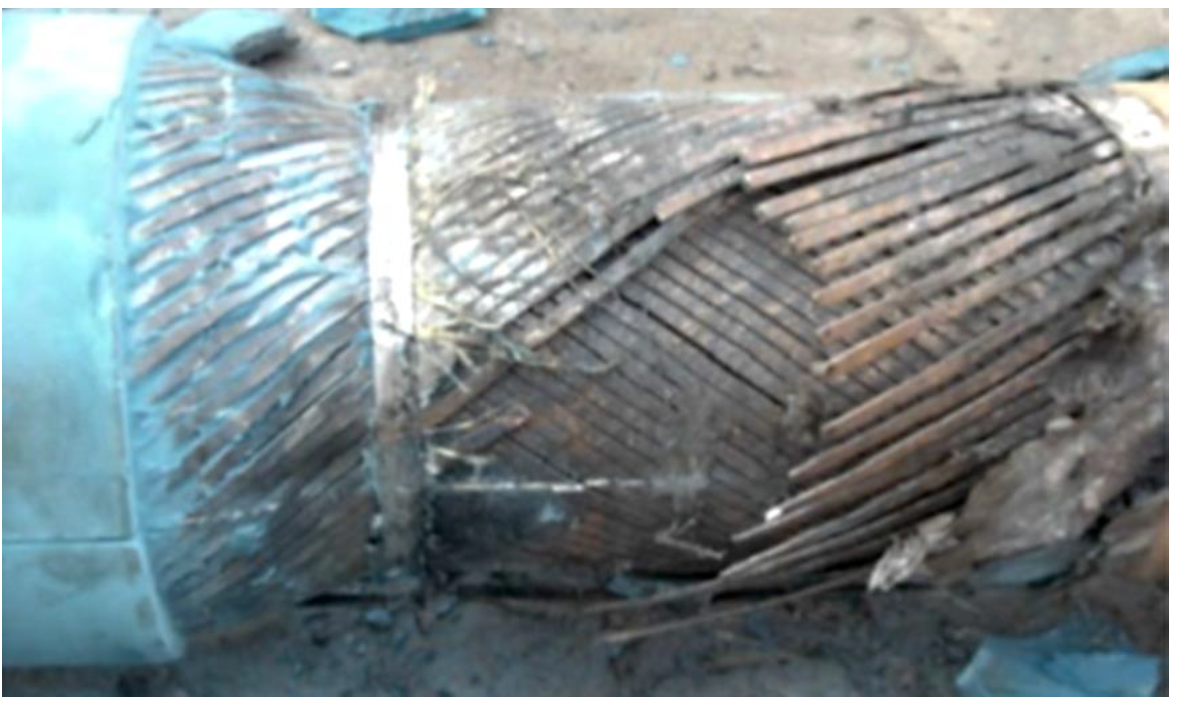
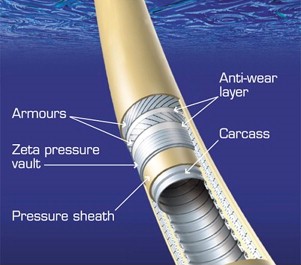
Flexible pipes are used extensively for production and transport of oil and gas in the offshore industry. About 60% of the Norwegian production of hydrocarbons are based on transportation through such pipes. Several incidents of critical corrosion of the armor wires confined in the annulus between the inner liner and the outer sheath have been reported over the last 10-20 years. Some of the corrosion incidents are related to exposure to oxygen and CO2 when the outer sheath has been breached. However, there are also numerous incidents when brittle fracture and rupture typically associated with hydrogen embrittlement and H2S corrosion/cracking have been observed. With increased souring of many reservoirs even in the North Sea, there is a growing concern for environmental cracking of the armour wires. It is, therefore, necessary to establish a comprehensive understanding of the mechanical and chemical behaviors of annulus and its effect on hydrogen uptake and environmental fracture of the armour wires.
Illustration

IllustrationIllustration

Illustration

person-portlet

NTNU – Norwegian University of Science and Technology

  • For employees
  • |
  • For students
  • |
  • Intranet
  • |
  • Blackboard

Studies

  • Master's programmes in English
  • For exchange students
  • PhD opportunities
  • Courses
  • Career development
  • Continuing education
  • Application process

News

  • NTNU News
  • Vacancies

About NTNU

  • About the university
  • Libraries
  • NTNU's strategy
  • Research excellence
  • Strategic research areas
  • Organizational chart

Contact

  • Contact NTNU
  • Employees
  • Find experts
  • Press contacts
  • Researcher support
  • Maps

NTNU in three cities

  • NTNU in Gjøvik
  • NTNU in Trondheim
  • NTNU in Ålesund

About this website

  • Use of cookies
  • Accessibility statement
  • Privacy policy
  • Editorial responsibility
Facebook Instagram Linkedin Snapchat Tiktok Youtube
Sign In
NTNU logo