
NTNU Health and Life Science - Value-Based Healthcare
Value-Based Health Services

How can our health services and systems contribute to good health, quality of life, and an efficient use of resources?
Today's healthcare services are not sustainable. We need healthcare services that help reduce social health inequalities and at the same time ensure predictable and stable access to personnel, resources, and expertise. This focus area will work with the development of knowledge and technology contributing to resource-efficient and sustainable health services, while focusing on optimizing the outcome for each patient. The concept of value includes what is of value to patients, relatives, society, nature, and the environment.
Our healthcare system is highly complex and results in fragmented healthcare services and patient pathways. An interdisciplinary approach is required to develop models for collaboration, organization, and management of health services, and to find holistic patient pathways across specialist and primary healthcare.
Against the backdrop of the digitization of the health services, the interaction between technology and services will require interdisciplinary models for change management and organizational development in the health sector. There is also a need for knowledge on how patient-centered technology and precision medicine can realize values related to better health and quality of life while optimizing resource use.
Our research projects
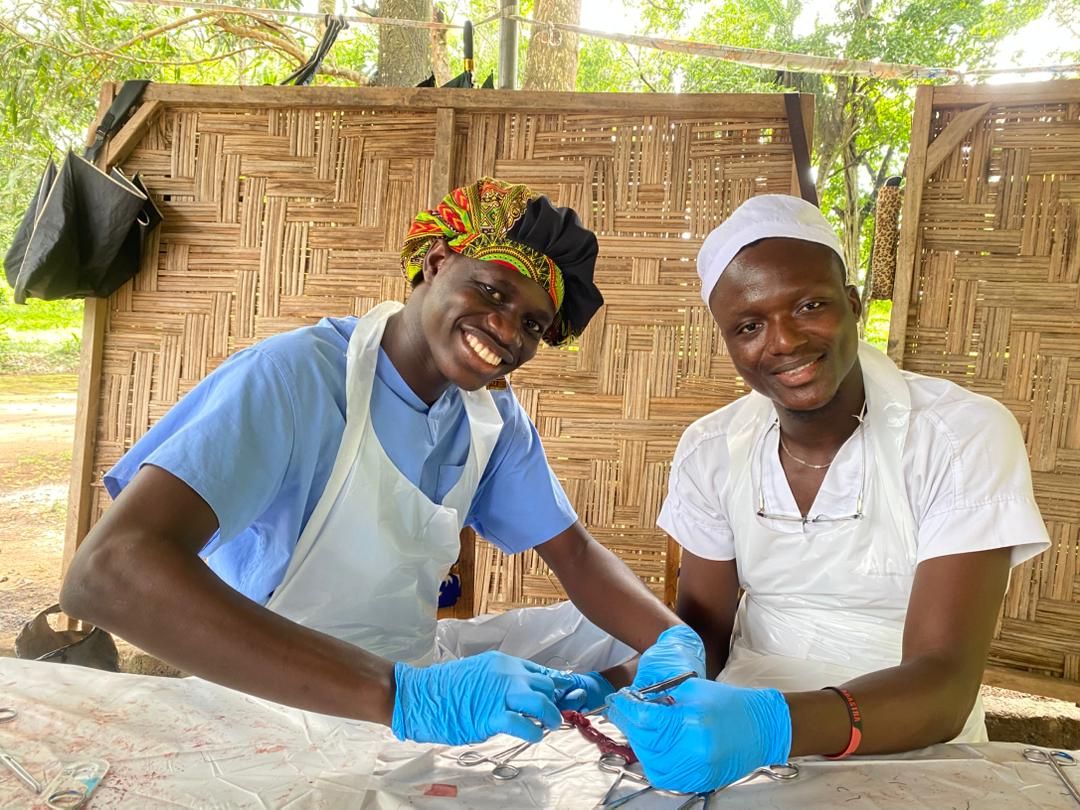
Health equity
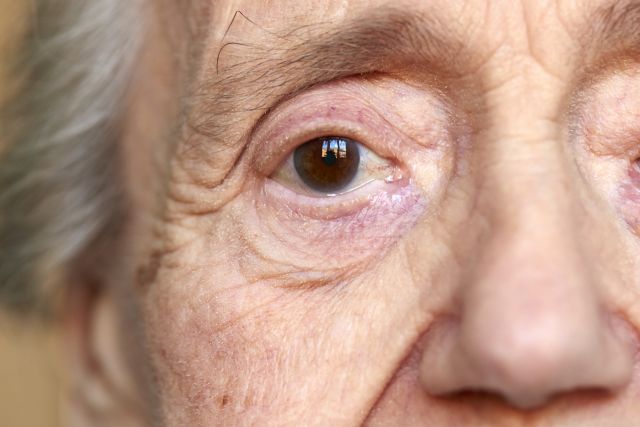
AI and eye disease
Managing insomnia with the support of AI
Seed projects
Seed-funding projects within Value-based Health Services financed 2024-2026.
- A transcriptomic biomarker for prostate cancer in exosomes from liquid biopsies. Morten Beck Rye, Elen Telumyan
- Pioneering generative AI for collaborative child and adolescent mental health care. Norbert Skokauskas, Øystein Nytrø
- Joining perspectives and forces at NTNU Gjøvik for research excellence in value-based healthcare services. Gry Cecilie Lunder Høiland, Solveig Evenstad
- Optimized radium uptake in Aldera nanoparticles. Bjørn E. Christensen, Morten Karlsen
- Embodied agency and biopsychosocial integration in medicine. Miriam Kyselo, Sverre Myren
- Artificial Intelligence tool for decision support in treatment of age-related macular degeneration. Development, implementation and ethical aspects. Dordi Austeng, Lars Ursin
- Towards sustainable myeloma diagnostics: AI-based methylation risk stratification. Kristin Roseth Aass, Zhirong Yang