
Political Ecology and Environmental Governance
Political Ecology and Environmental Governance
-
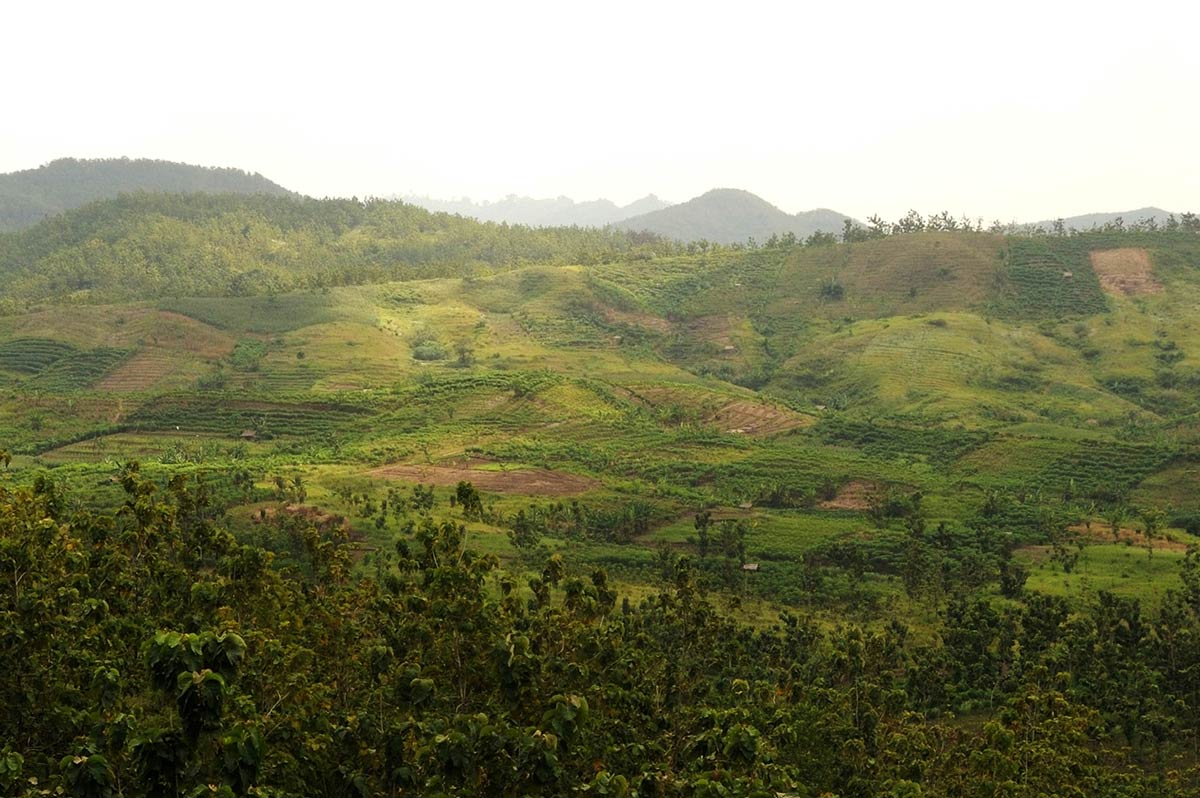
Photo: Martin C. Lukas / NTNU. Analysing links between land tenure and land conflict and land use change -
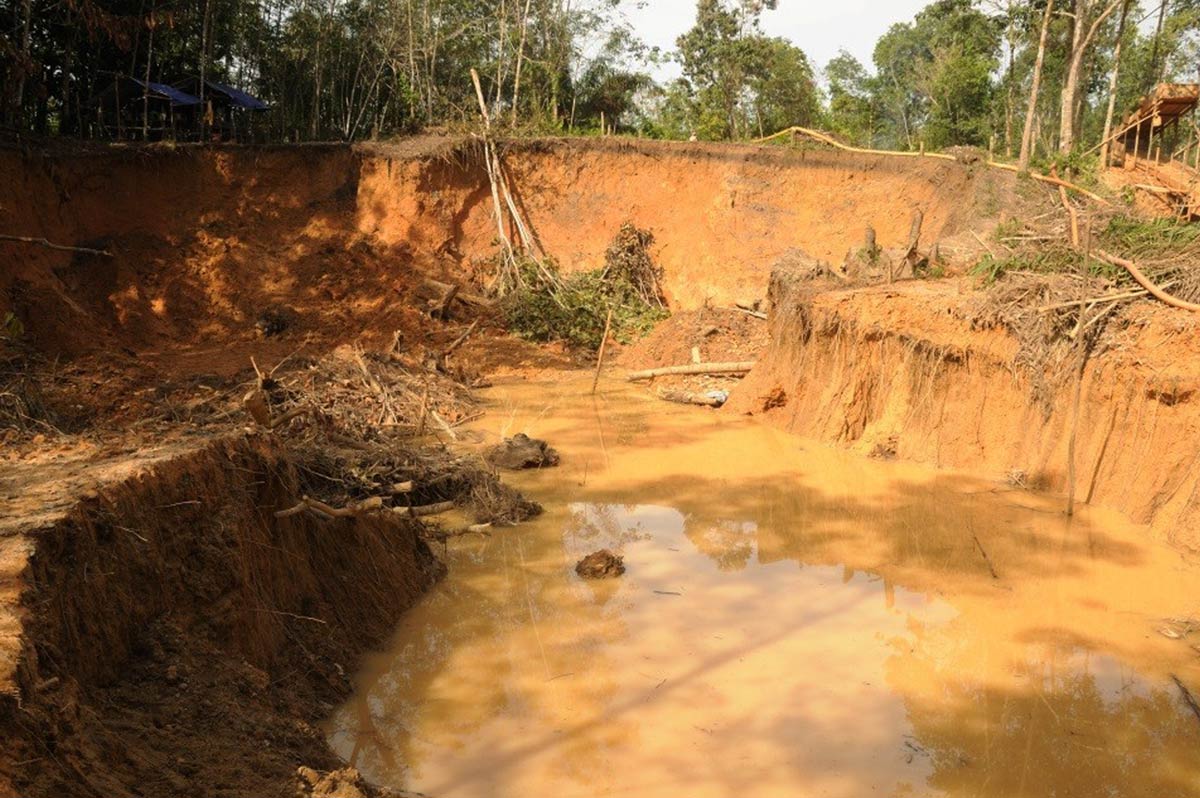
Photo: Martin C. Lukas / NTNU. Informal gold and diamond mining. -
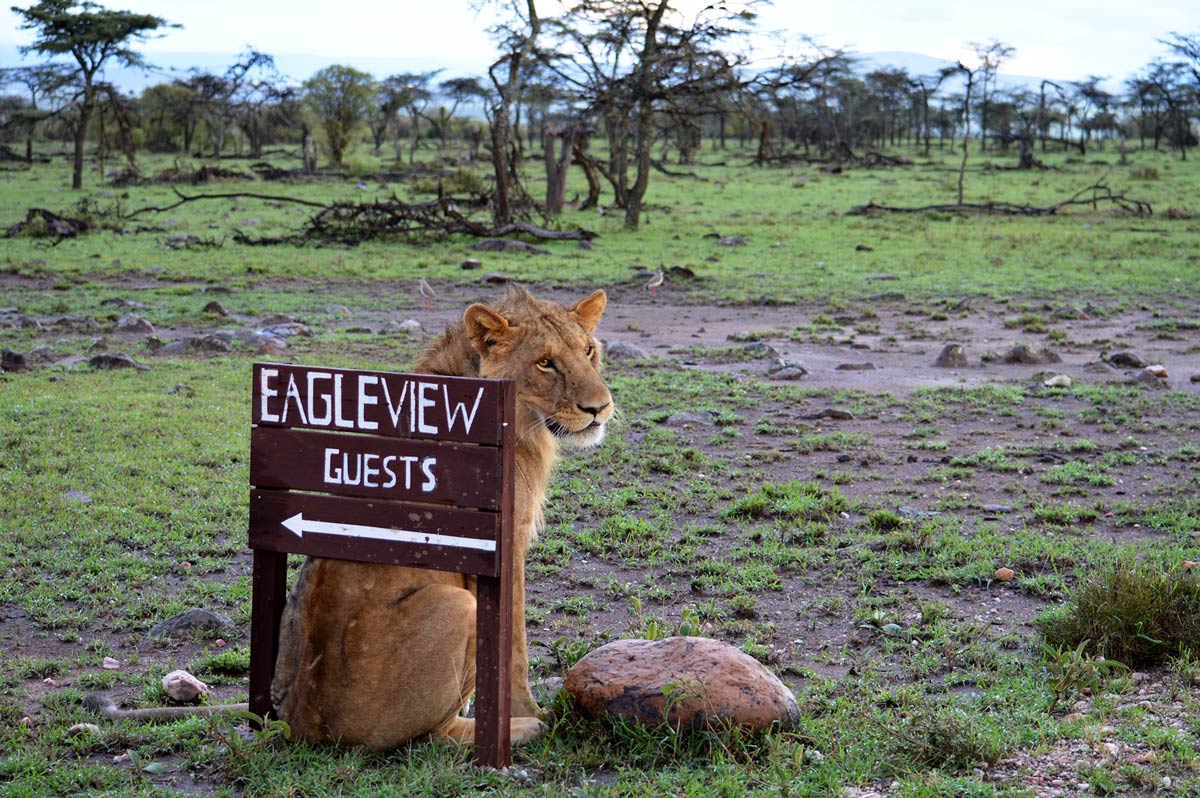
Photo: Elizabeth Barron / NTNU. Kenya 2019


Rooted in the Department of Geography and Social Anthropology, our group includes members from several other NTNU departments. While we work on a considerable range of topics, we share an engagement with political ecology in its various forms – a field that links environmental conditions, changes, and challenges with societal structures and dynamics. This includes attention to institutions, actors, power relations, politics, and broader political-economic forces, and how these are linked with patterns of inequality and in- or exclusion. It further examines how these dynamics are reflected in resource use, access, and control, as well as environmental governance and management, and the implications this has for justice and environmental sustainability. Across many of our projects, we engage with both materiality and representations, often working across scales from the local to the global.

Ongoing research projects
Arctic Auditories: Hydrospheres in the High North
Arctic Auditories: Hydrospheres in the High North
Arctic Auditories: Hydrospheres in the High North. Elizabeth Barron is participating as a work package leader in Arctic Auditories (AA), led by Katrin Losleben at University of Tromsø. This project uses participatory feminist methodologies to examine the soundscapes of the Arctic, and how they are changing because of climate change.
Threatened Lifelines
Threatened Lifelines
The interdisciplinary project links human-geographic research with hydrological modelling.
It is led by Martin C. Lukas together with Oddbjørn Bruland from the Department of Engineering and involves Pascal E. Egli and the PhD candidates Niklas Torresson and Akshayi Ajaykumar Shyma.
CryoSCOPE
CryoSCOPE
Cryosphere Science Concluding in new Observations and Productive Exploitation (CryoSCOPE) is a Horizon Europe Research and Innovation Action (RIA) project aimed at understanding and quantifying the physical and chemical processes within the coupled Cryosphere–Atmosphere–Hydrosphere (CAH) system across diverse cold-region landscapes, including Finnish Lapland, Iceland, the Indian Himalayas, the Swiss Alps, Norway, and Svalbard. The project seeks improved comprehension of how land ice, snow, and permafrost interact with atmospheric and hydrological systems, and evaluate their sensitivity to climate change in these regions.
The project’s NTNU component is led by Pascal E. Egli. Martin leads the project’s social science component.
Gathering and communing with wild species in Norway and Europe
Gathering and communing with wild species in Norway and Europe
This project is led by Barron, with Elaina Weber. Gathering wild plants and fungi provides food, income and nutritional diversity for an estimated 1 in 5 people around the world, in particular women, children, and others in vulnerable situations. Results of surveys conducted in Europe, North America, and the United Kingdom over the last 20 years suggest high rates of participation in gathering by individuals and households. In Norway it is well known that collecting wild foods is a popular activity through amateur societies, clubs, and as part of traditional family practice. In addition to these biophysical, material and cultural elements, at the local level gathering wild plants and fungi provides a key way in which people interact with and “know nature”, which in turn influences their motivations and perspectives on nature conservation and environmental policy. At the international level Norway participates in biodiversity governance through active membership in such platforms as the Convention on Biological Diversity (CBD) and the Intergovernmental Science-Policy Platform on Biodiversity and Ecosystem Services (IPBES), and is positioning itself to be a global leader in biodiversity conservation and sustainability. This research project will examine the intersection of these domestic-facing practices and the international-facing science-policy agendas of the Norwegian government at national and international levels. Identifying synergies and tensions across scales can uncover potential issues for environmental management and the uptake of biodiversity agendas by local and regional communities. The analysis will contribute to theory building on emplaced sustainability and the inclusion of diverse knowledge and value systems in biodiversity governance.
Group members
-
Jørund Aasetre Professor
+47-73412569 +47-93211139 jorund.aasetre@ntnu.no Department of Geography and Social Anthropology -
Elizabeth Sanna Barron Professor
+47-73591963 elizabeth.barron@ntnu.no Department of Geography and Social Anthropology -
Laura Campagna PhD Candidate
+393930995134 +4745883978 laura.campagna@ntnu.no Department of Industrial Economics and Technology Management -
Karoline Daugstad Professor
+47-73591658 +4797183880 karoline.daugstad@ntnu.no Department of Geography and Social Anthropology -
Tatiana González Grandón Senior Researcher
tatiana.grandon@ntnu.no Department of Industrial Economics and Technology Management -
Håkon da Silva Hyldmo PhD Candidate
+47-73559092 hakon.hyldmo@ntnu.no Department of Geography and Social Anthropology -
Irmelin Joelsson
irmelin.joelson@ntnu.no Department of Geography and Social Anthropology -
Jørgen Klein Professor
+47-73558953 jorgen.klein@ntnu.no Department of Teacher Education -
Jessica Larsson PhD Candidate
+47-73412895 jessica.k.larsson@ntnu.no Department of Geography and Social Anthropology -
Théophile Martin Adviser
+4745395512 +33650271651 theophile.martin@ntnu.no Section for quality in education and learning environment -
Ida Nilstad Pettersen Professor
+47-73590103 ida.nilstad.pettersen@ntnu.no Department of Design -
Caroline Buus Ponthieu PhD Candidate
caroline.ponthieu@ntnu.no Department of Geography and Social Anthropology -
Preema Ranjitkar PhD Candidate
preema.ranjitkar@ntnu.no Department of Geography and Social Anthropology -
Niklas Thomas Toresson PhD Candidate
niklas.toresson@ntnu.no Department of Geography and Social Anthropology -
Elaina Jacqulene Wiljanen Weber PhD Candidate
+47-73592302 elaina.j.w.weber@ntnu.no Department of Geography and Social Anthropology